Stress is not a foreign concept to any of us. It is a natural occurrence within the body that helps us respond effectively to threats, and we wouldn’t survive without it.
However, when left unchecked, stress becomes chronic and can wear on our wellbeing. In a modern world that is moving faster and faster, it is important that we take time to slow down and reset. Without these breaks, neither body nor mind gets the downtime it needs. For a different perspective on stressful thoughts, try these stress quotes.
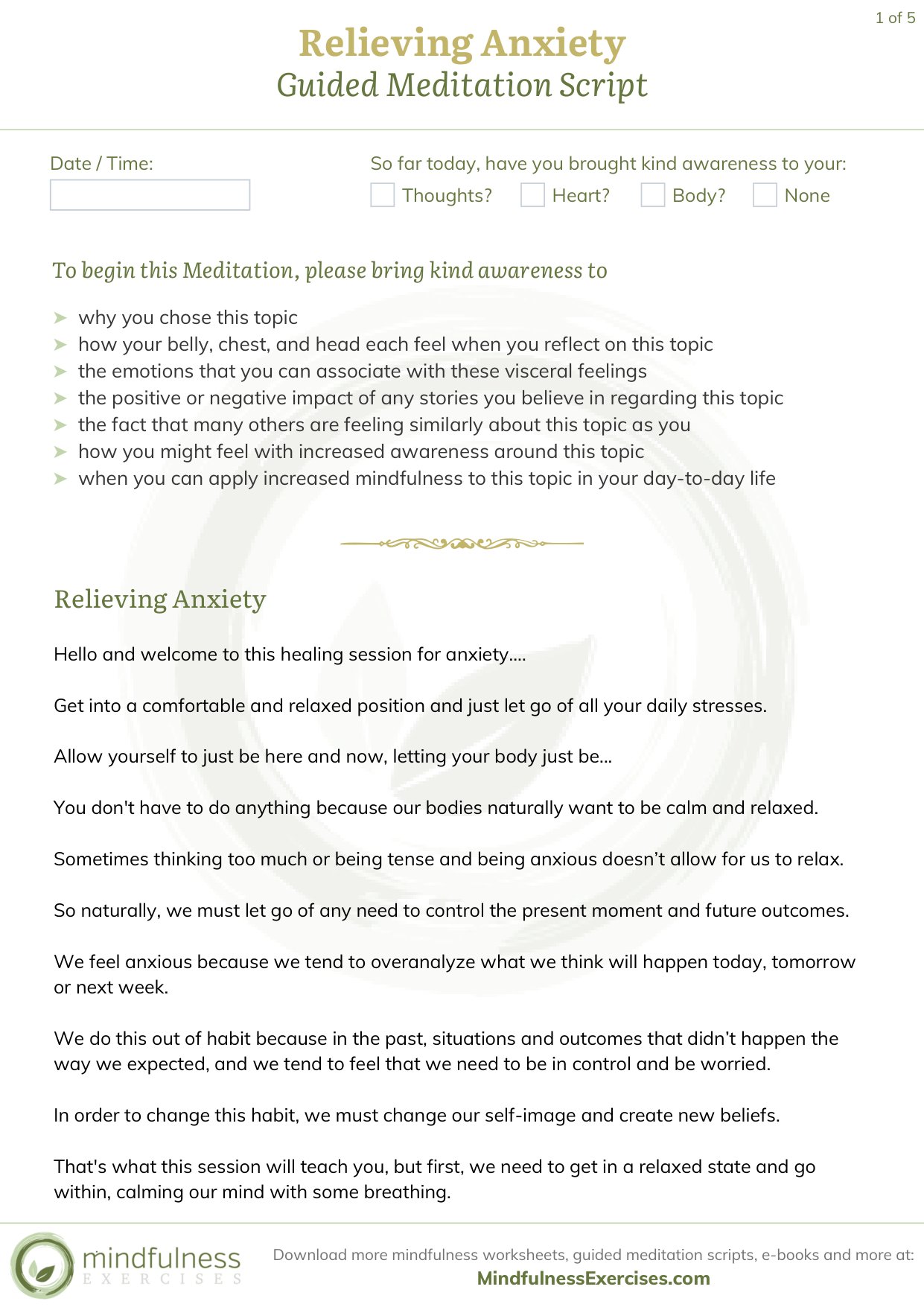
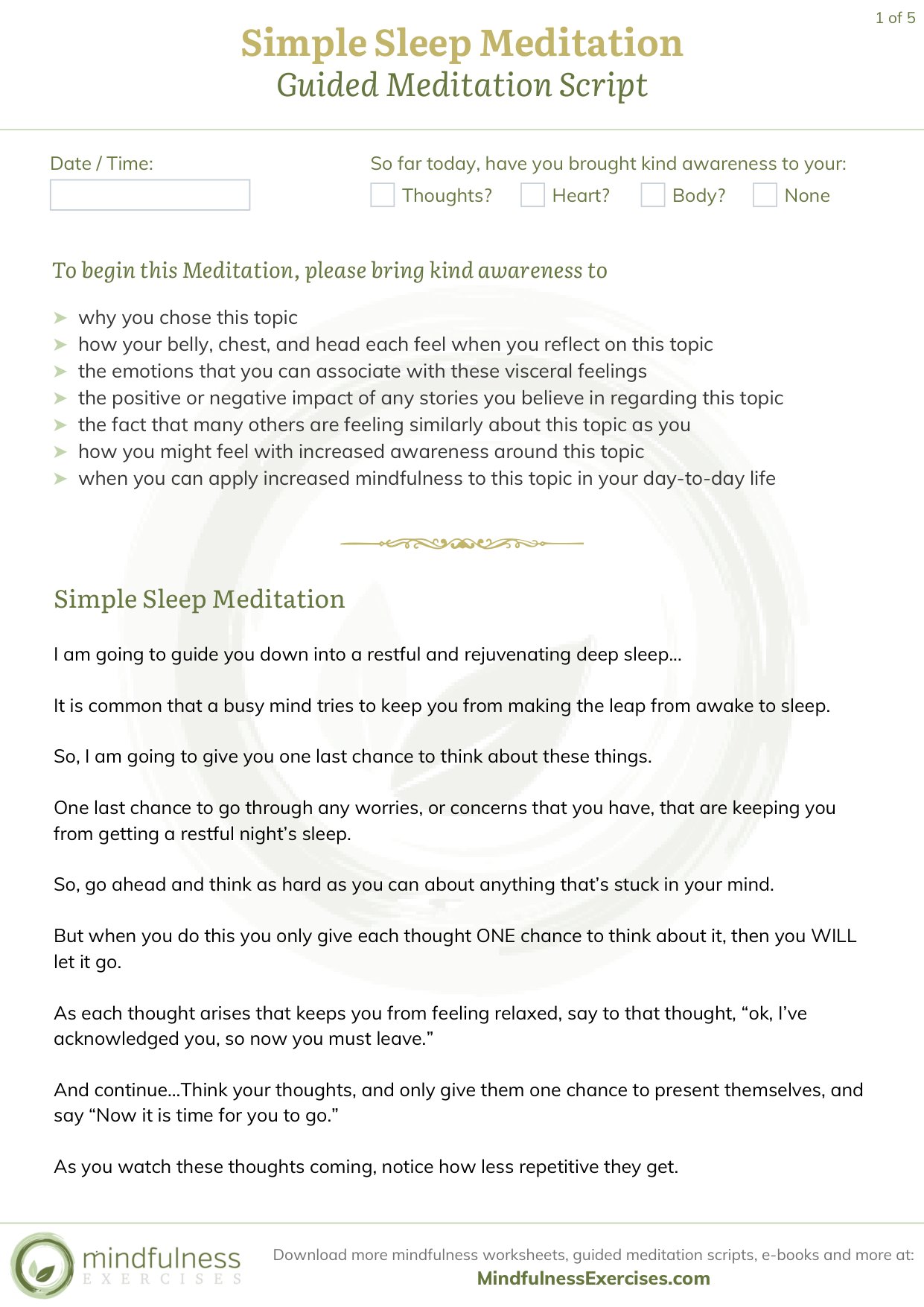
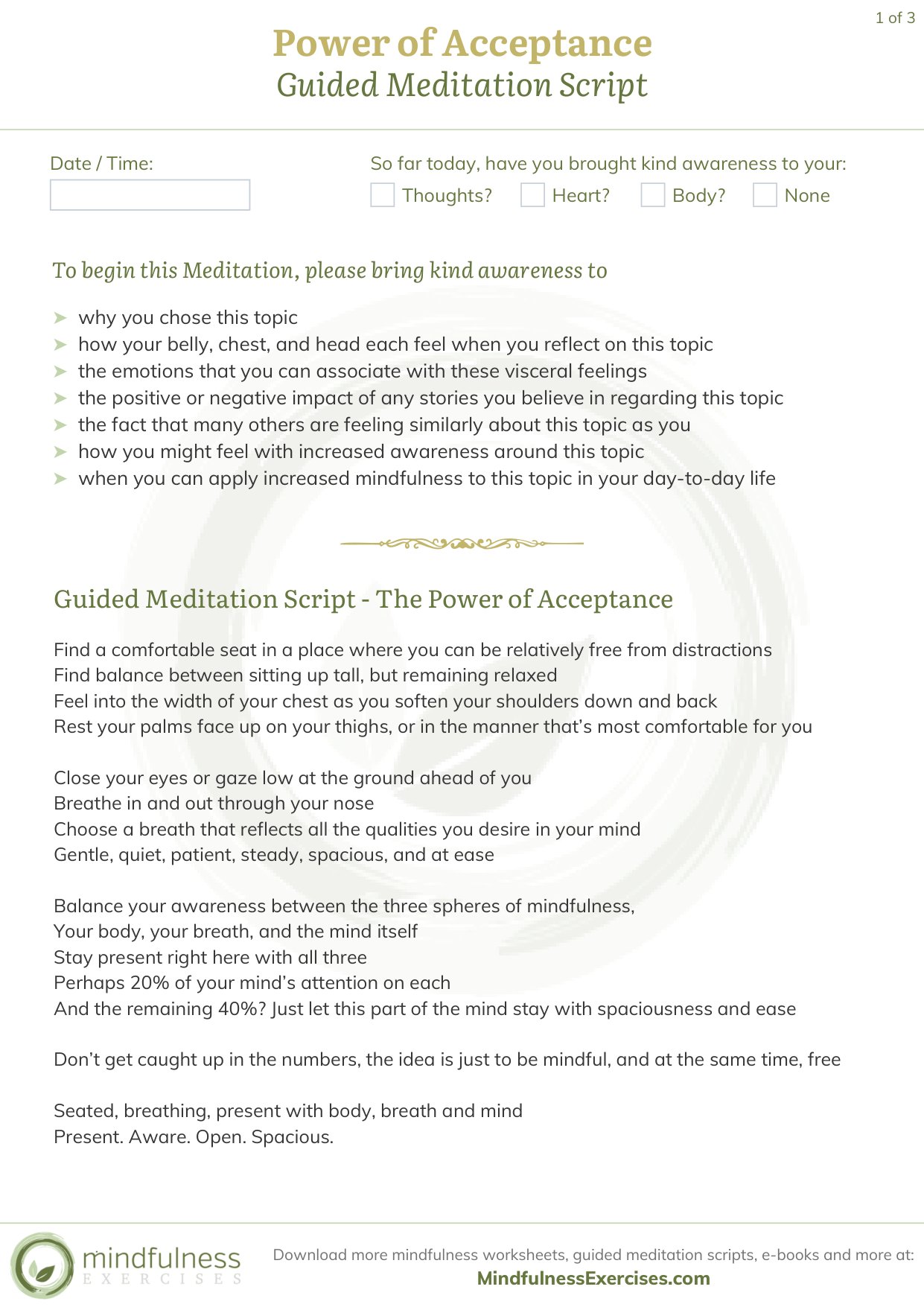
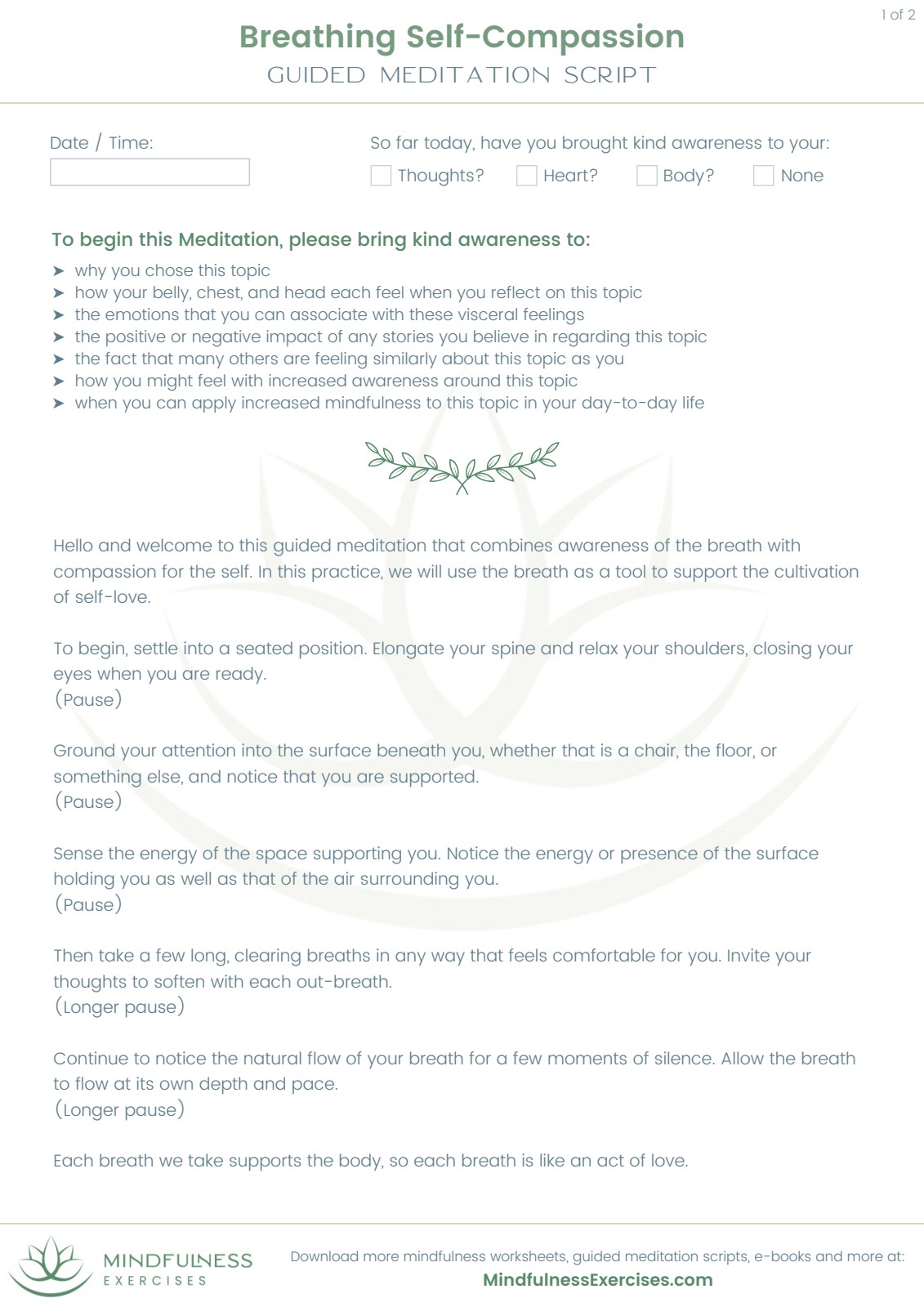
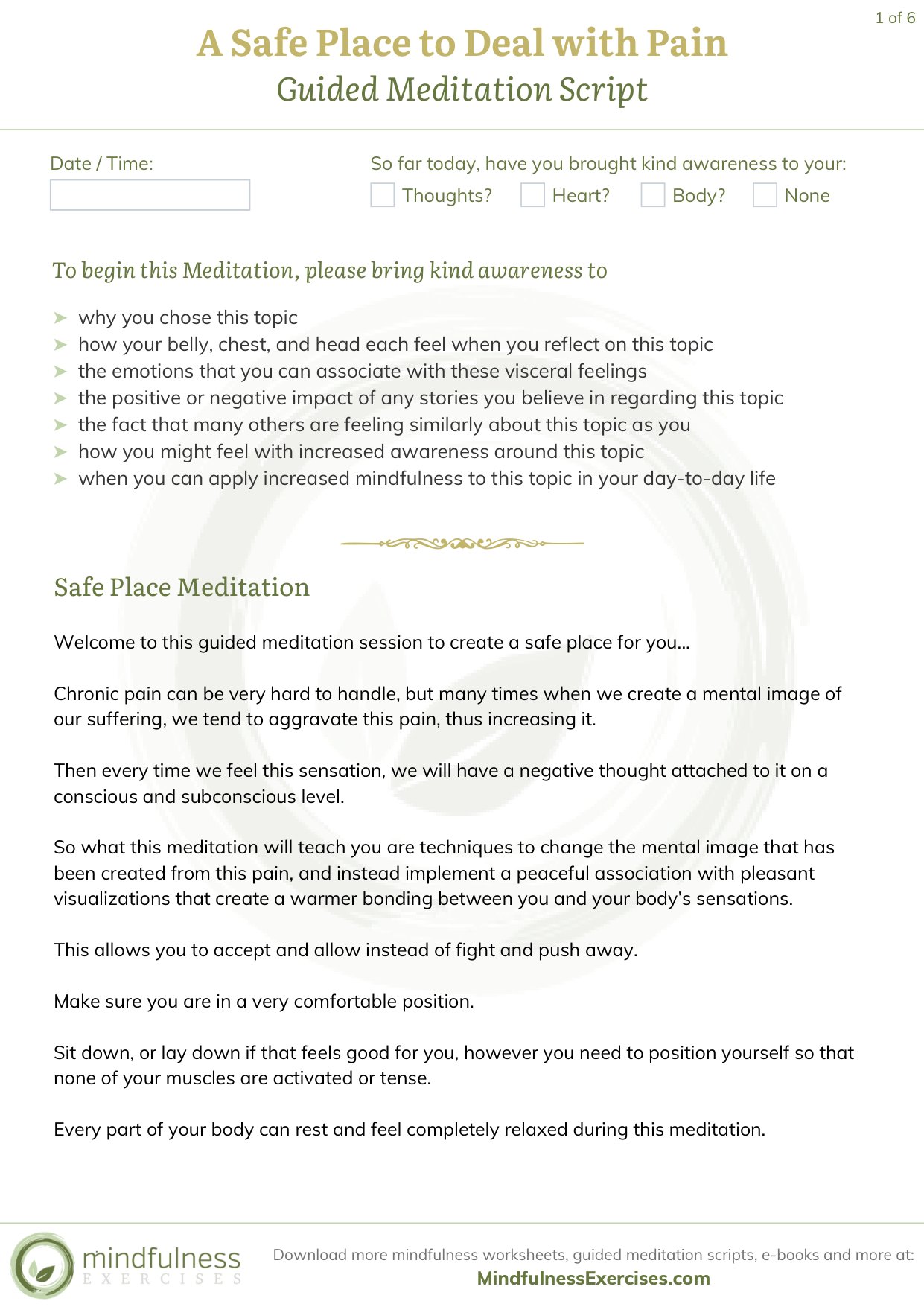
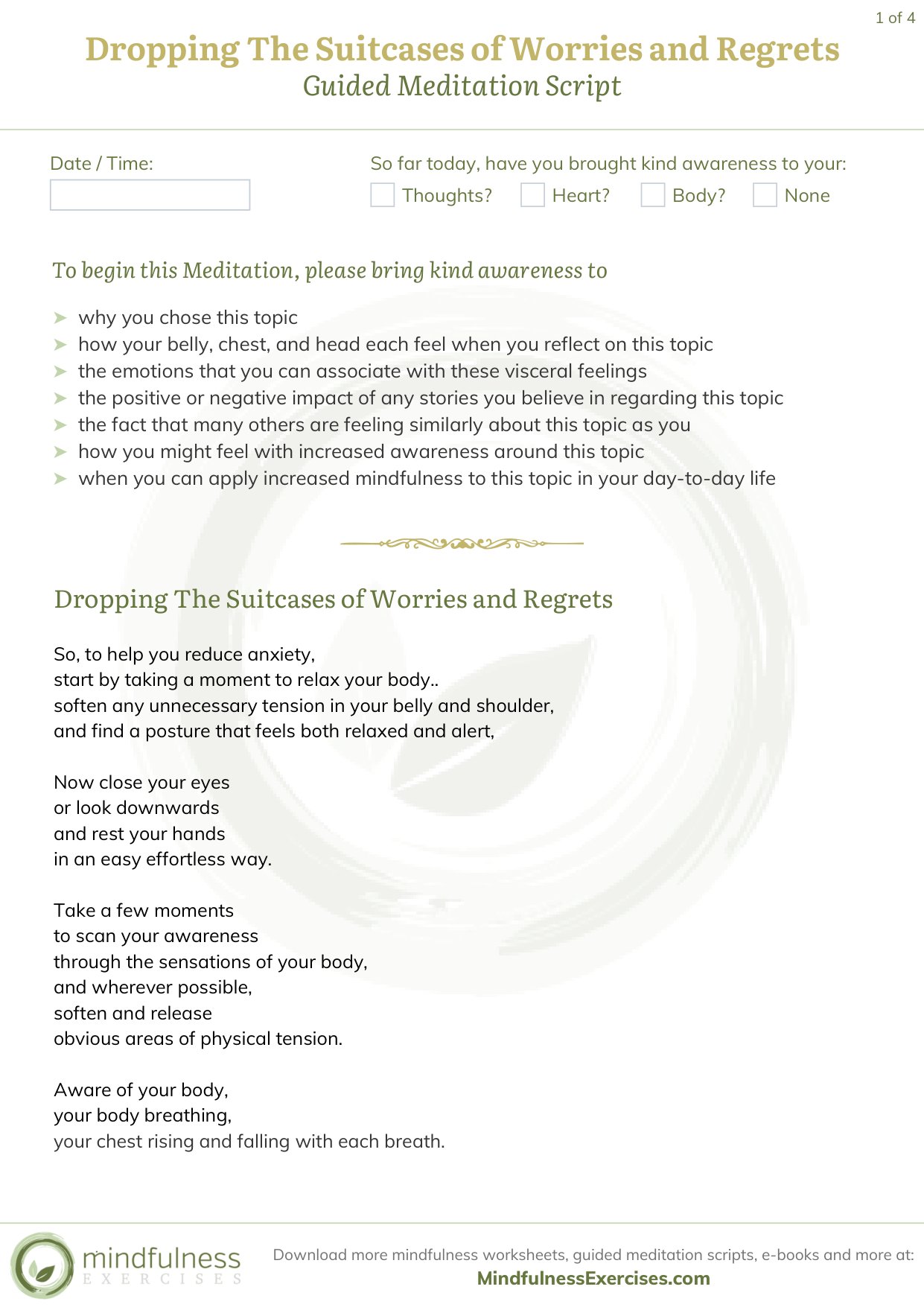
Meditation scripts for stress are one key resource we can turn to when looking to reduce the weight of the world we so often feel. These scripts are useful for deepening our own understanding of meditation, as well as for guiding others as a meditation teacher. And when stress spikes suddenly, these three 60-second meditation techniques for anxiety can settle the body in about a minute.

Since the days of the cavemen, the stress response has protected us from real, imminent danger. However, stressors looked different back then. For example, cavemen had to respond to things like bears and the force of nature to stay alive. Today, our stressors come most often in the form of deadlines, missed trains, and to-do lists.
But the body reacts the same whether we’re face-to-face with a bear or on our way to work with two minutes to spare. It happens something like this:
1.The body encounters a stressor – real or perceived – and so, it reacts.
This reaction includes: an increase in the secretion of stress hormones, an increase in blood pressure and heart rate, and quickened breathing. We prepare to fight or flee, which in the case of a real threat is a useful thing.
2.When facing imminent danger, this response helps us to respond appropriately.
However, many of the threats we face in the modern world are perceived – and chronically occurring. Therefore, we can never truly escape them. When the body doesn’t get a break, chronic stress is linked to digestive issues, reproductive issues, heart problems, and poor cognition and mental health1.
While all of this might leave us feeling fearful of the effect that stress has on us, it’s possible to lessen this response by tuning in mindfully. This is where meditation and mindfulness for stress reduction come into play.
Many people describe how beneficial mindfulness and meditation have been for their wellbeing, and if we are turning to scripts to help others, we have likely experienced this ourselves.
On top of these personal accounts, there is research on meditation and stress. One of the most well-known and well-studied forms of meditation is aptly named Mindfulness Based Stress Reduction, or MBSR. Developed by Jon Kabat-Zinn in the late 1970s, MBSR is used by people experiencing anxiety, depression, fatigue, general stress, and more2. One review looked at the results of 17 studies on MBSR and found that 16 of them reported positive effects related to stress and/or anxiety3.
But how does it work?
There are several explanations for how meditation influences stress levels. Some of these include:
1.Initiating the relaxation response
As we become more mindful of the present moment, the body gradually softens and the breath begins to deepen. This deepening of the breath can counteract the stress response, bringing us closer to a relaxed state.
2.Shifting our perspective
The more we meditate, the more our perspective of ourselves and life can change. This change in perspective might be due to a shift in values, greater emotional regulation, or greater insight into the flow of thoughts and feelings. Likely, it’s a combination of all of these things and more. In any case, this shift in perspective can help us manage stressors when they arise.
3.Influencing brain functioning
Some studies find that meditation reduces activity in the amygdala, a part of the brain heavily involved in our stress response. Over time, mindfulness and meditation may also shift our neural networks, meaning that signals in our brain wire and fire differently after long-term practice.
Before we jump into meditation scripts for stress reduction, let’s consider four simple stress management practices that can help us relax. These can be explored as standalone practices or alongside a script reading.
1.Listen to calming music
Music affects both body and mind, and most of us understand this on an intuitive and experiential level. When it comes to releasing stress, listening to calming music can help us enter a state of greater tranquility.
2.Create a safe, tranquil space
We can dedicate a corner of our home to peace and relaxation, a place to turn to whenever we yearn to rest and reset. If we’re on the go, we can practice turning towards the safe, tranquil space within us, closing our eyes for a few deep breaths.
3.Focus on the breath for one minute
Before we begin any meditation, or as a momentary reset in the middle of the day, watching the breath for even one full minute can help. By giving the mind a break, breath focus helps us step back into the present moment. From this space, we can step forward with more calm and confidence.
4.Find a ‘go-to’ guided meditation
For extra guidance and support, find an audio track of a guided meditation that resonates with you. Save the link or download it in a place where you can access it at any time. The next time stress arises, take some time to listen to the track of your choice.
When it comes to reading meditation scripts to reduce stress, there are two options:
- Using them for personal use. You might read through a script once completely and then practice it to the best of your memory. Or, you might read it slowly, line by line, closing your eyes to let the words sink in every so often. This will all depend on the style and nature of the script.
- Using them to support others. This might be the more common use of meditation scripts. Using a script to guide individuals or groups provides meditation teachers with a framework of where to go, especially when learning how to lead a guided meditation. Over time, this develops your ability to teach meditation effectively.
When you are reading a script to an individual or group for stress reduction, practice the following for a smooth reading:
1.Read through the script in advance at least once.
Going over the script a couple of times in advance will give you a sense of how long you will need, where to hold silence, and which techniques will be covered. The better you know the script, the more naturally it will flow.
2.Mind your tone and pace of speech.
Mindfulness meditation scripts are different from traditional scripts, so they require a different tone and pace of speech. Take your time as you read through it. Leave space for silence where it feels appropriate or where it is indicated to do so on the script.
3.Follow notes on the script, but use your intuition as a reliable guide.
Depending on the script you are reading, you may or may not have notes to follow. Notes such as time stamps will let you know how long to pause for. While these are helpful as a general guideline, they are not set in stone. Use your intuition to make adjustments where it feels appropriate.
In general, any meditation or mindfulness exercise we explore may help ease our stress levels as we tune into both mind and body in a more conscious way.
Explore these scripts as tools to help yourself, your loved ones, or those you work with experience greater relaxation.
1 https://www.helpguide.org/articles/stress/stress-symptoms-signs-and-causes.htm
2 https://www.umassmed.edu/cfm/mindfulness-based-programs/mbsr-courses/about-mbsr/
3 https://journals.sagepub.com/doi/full/10.1177/2156587214543143