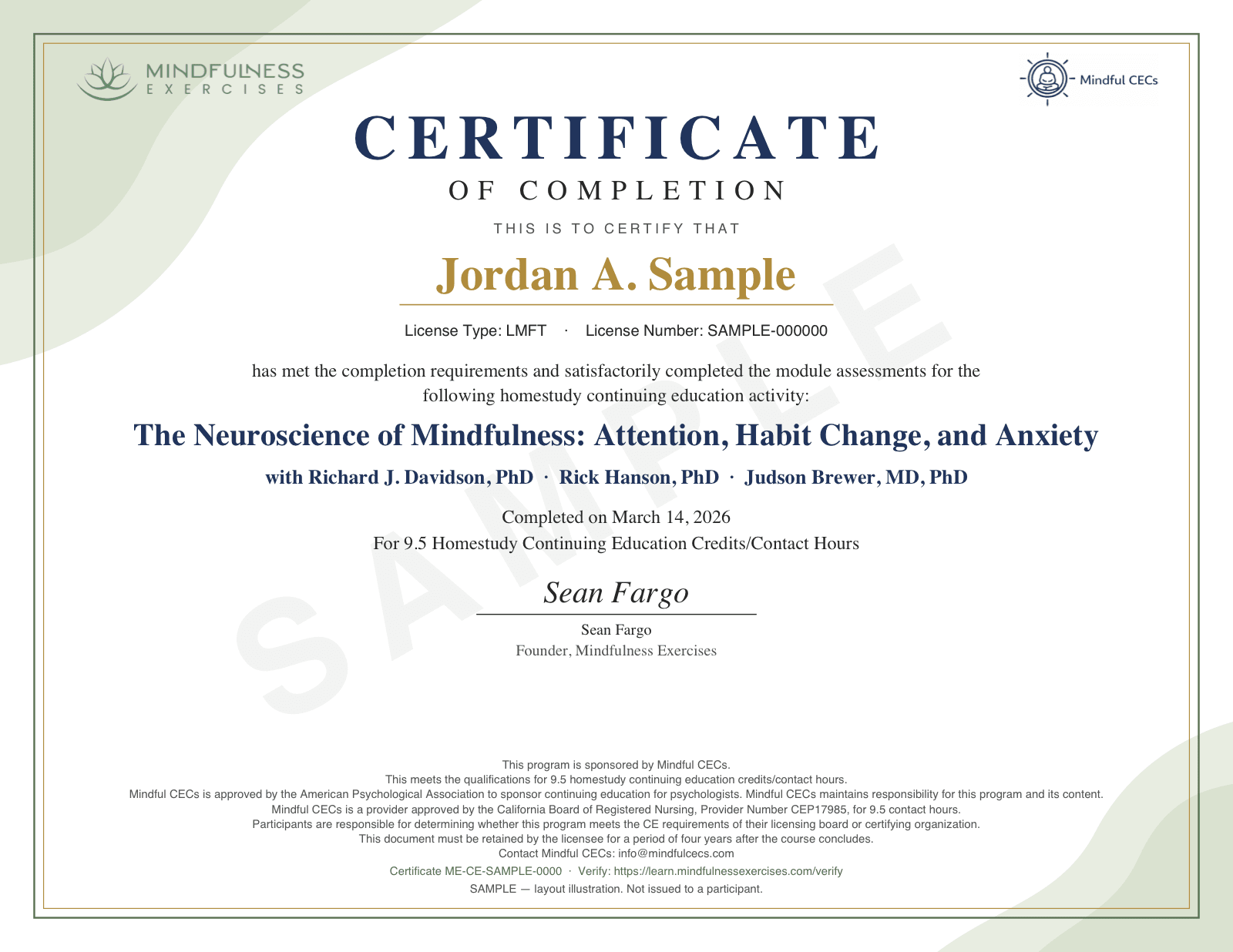
The Neuroscience of Mindfulness: Attention, Habit Change, and Anxiety
Neural mechanisms of change, attention, reward learning, and self-construction
Establish the scientific and neurobiological foundation of evidence-based mindfulness — from the plasticity of well-being to the reward-learning mechanisms underlying anxiety and habit.
Instant access · Lifetime
The complete bundle is $318 more than this pathway alone (≈ $13 per CE hour across all 37.5 hours).
Modules included
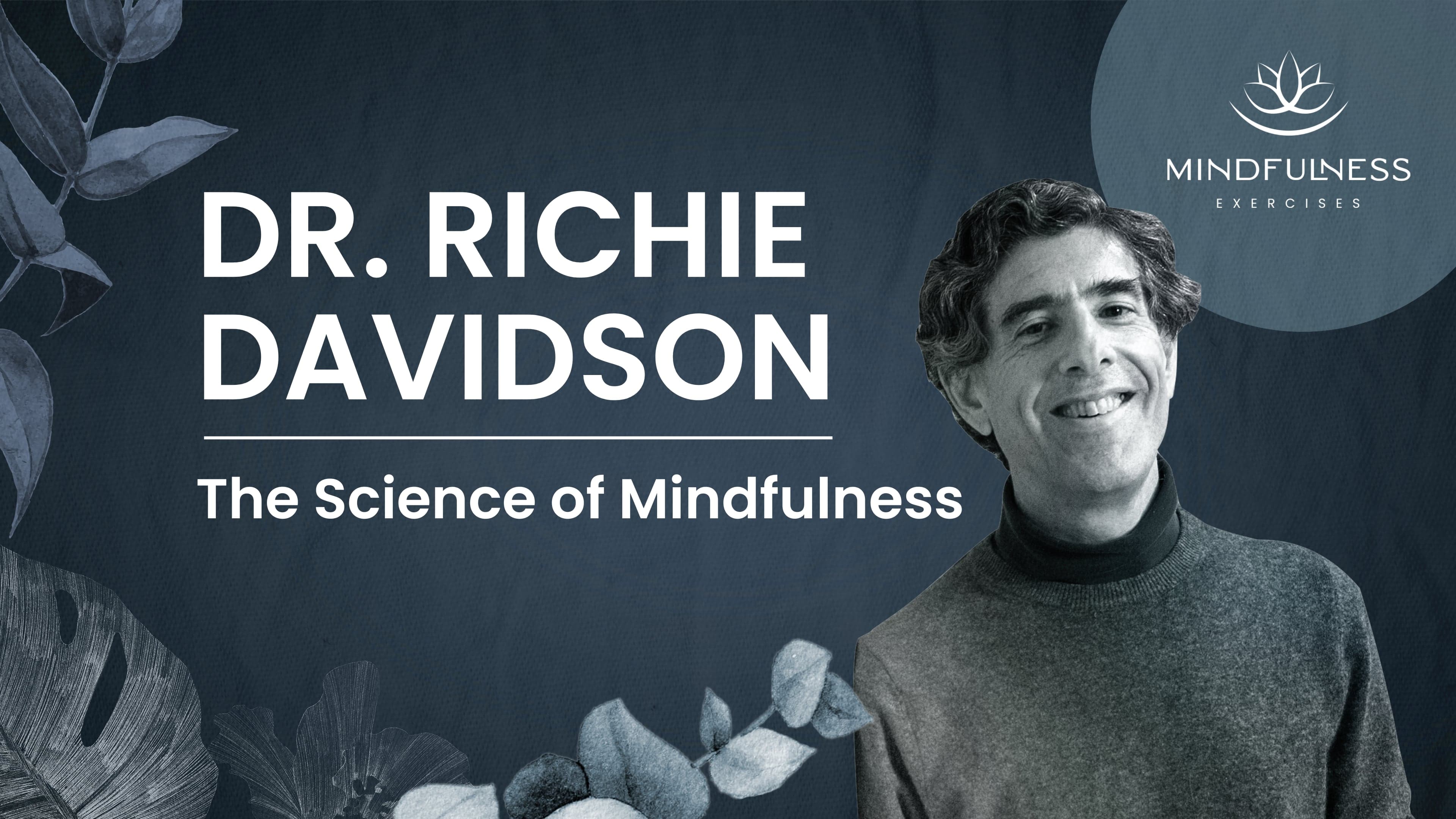 01· 1.5 hrs· Richard J. Davidson, PhD
The Neuroscience of Mindfulness and Well-Being: Research Findings and Clinical Implications
Davidson's four-pillar framework (awareness, connection, insight, purpose); neuroplasticity, attention regulation, and resilience as rapid recovery from adversity.
Learning objectives
- Identify the four core dimensions of well-being (awareness, connection, insight, and purpose) and describe how each dimension relates to neuroplasticity and contemplative practice.
- Explain the concept of resilience as a form of ‘rapid recovery from adversity’ and describe associated neuroscience research findings demonstrating differential recovery patterns in meditation practitioners.
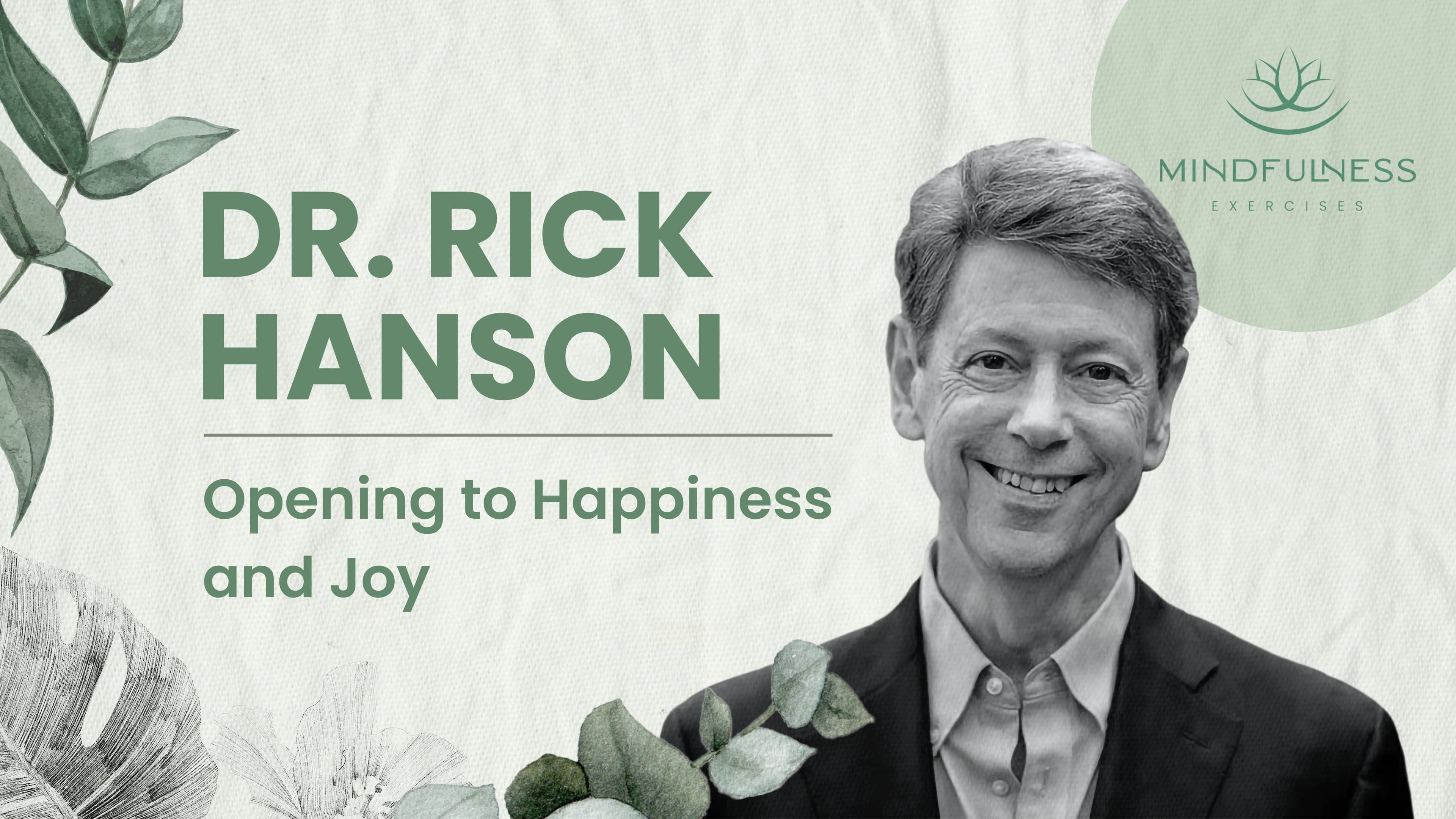
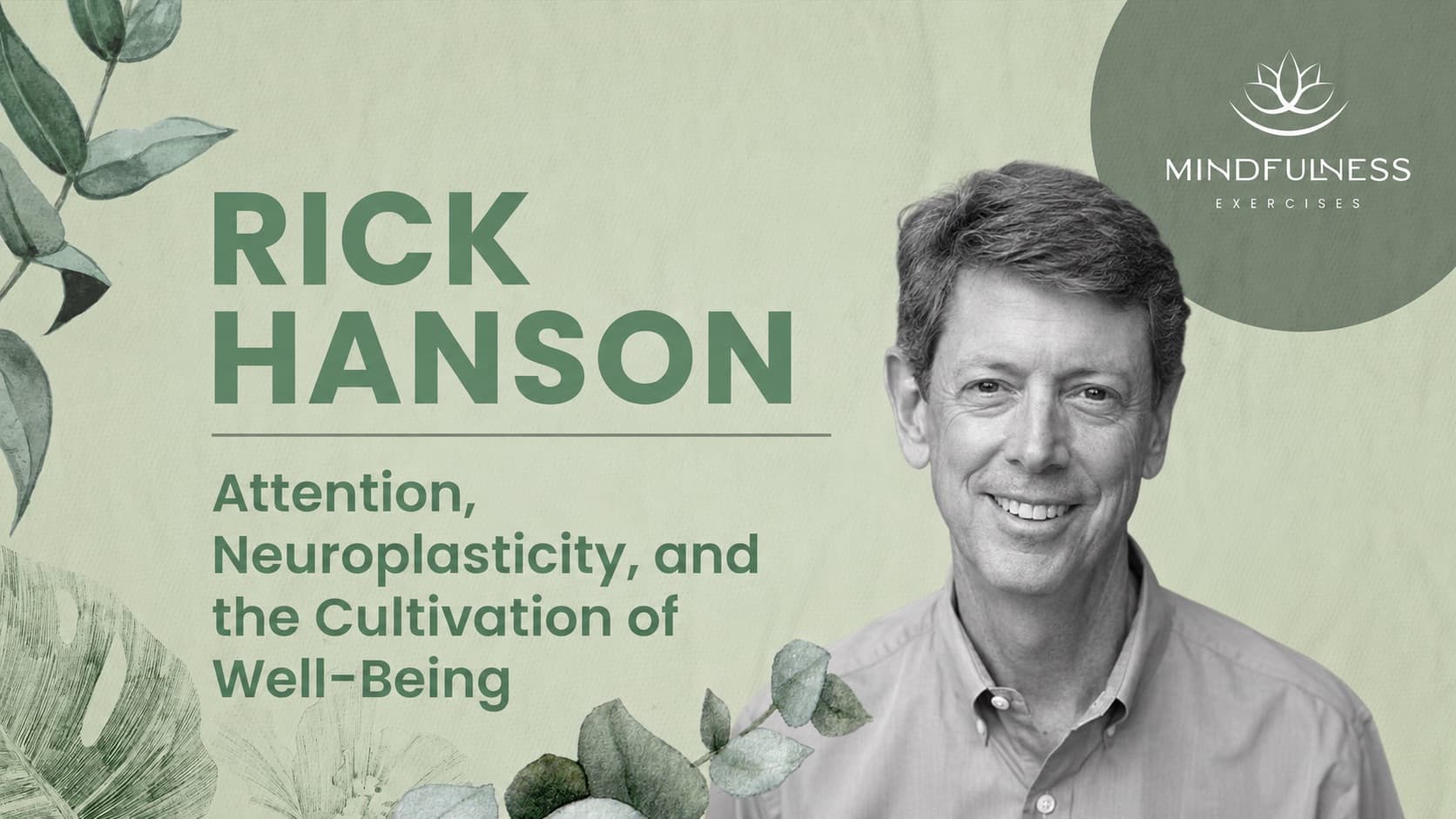 02· 2 hrs· Rick Hanson, PhD
Attention, Neuroplasticity, and the Cultivation of Well-Being
Default mode network, interoception, and the insula; positive neuroplasticity and how repeated mental states convert into lasting traits.
Learning objectives
- Describe how mindfulness practice reduces activity in brain regions associated with mind-wandering, rumination, and self-focused thinking, including the default mode network.
- Explain the process of positive neuroplasticity, including how deliberately cultivating beneficial mental states through repeated practice has been linked to lasting changes in neural structure and function through state-to-trait learning.
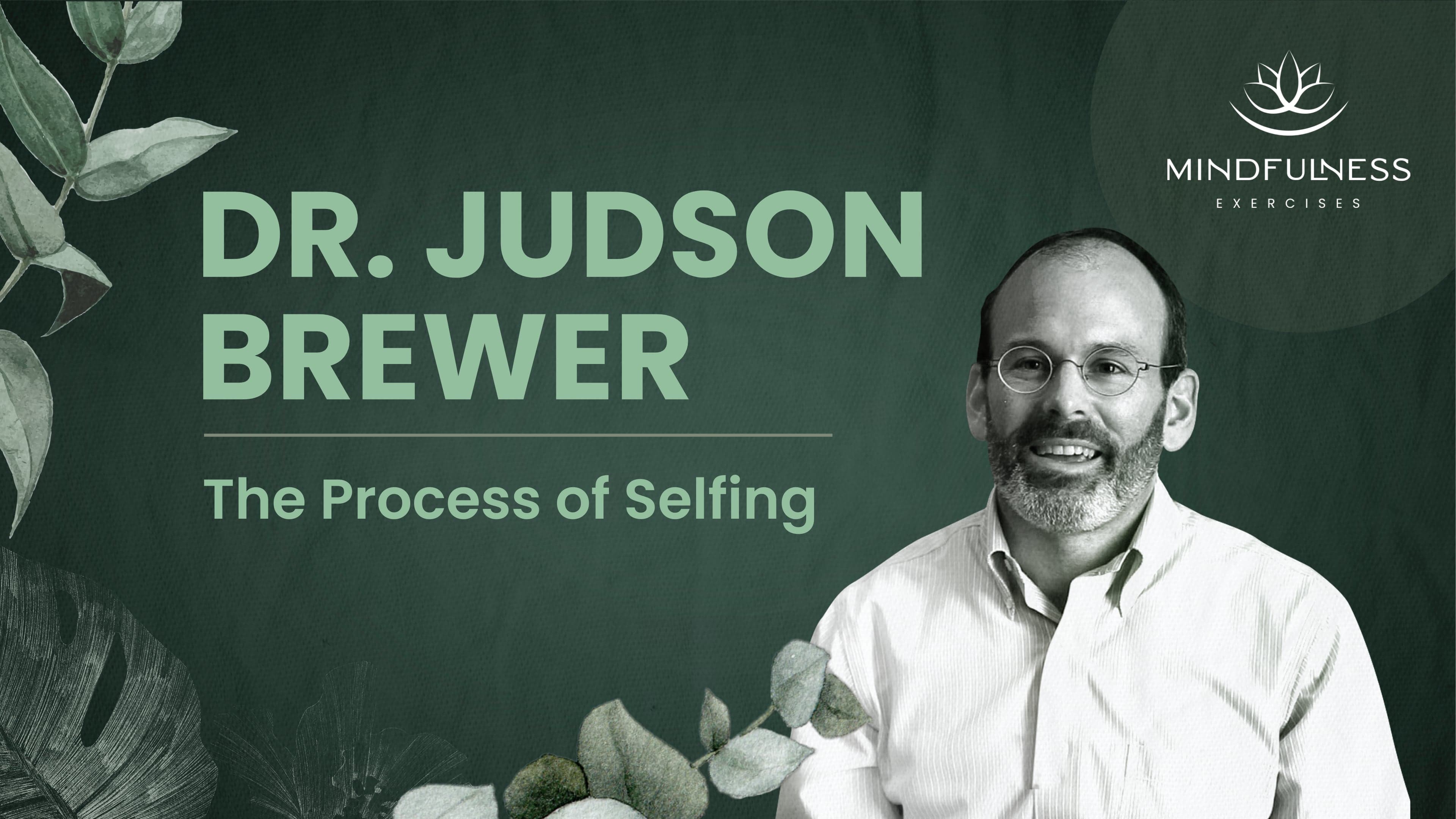 03· 1.75 hrs· Judson Brewer, MD, PhD
The Process of Selfing: Neuroscience, Mindfulness, and the Construction of Identity
fMRI and real-time neurofeedback findings on self-referential processing; dependent origination and open/closed experiential states.
Learning objectives
- Describe the current understanding on neurological mechanisms by which the brain constructs and maintains a sense of self — including the roles of the DMN, mPFC, and PCC — and explain how mindfulness practice can reduce activation in these self-referential networks.
- Apply the framework of dependent origination and open/closed experiential states to identify how craving, clinging, and behavioral reinforcement contribute to habitual identity formation in clinical and educational contexts.
Show all 5 modules · 9.5 CE hoursShowing all 5 modules
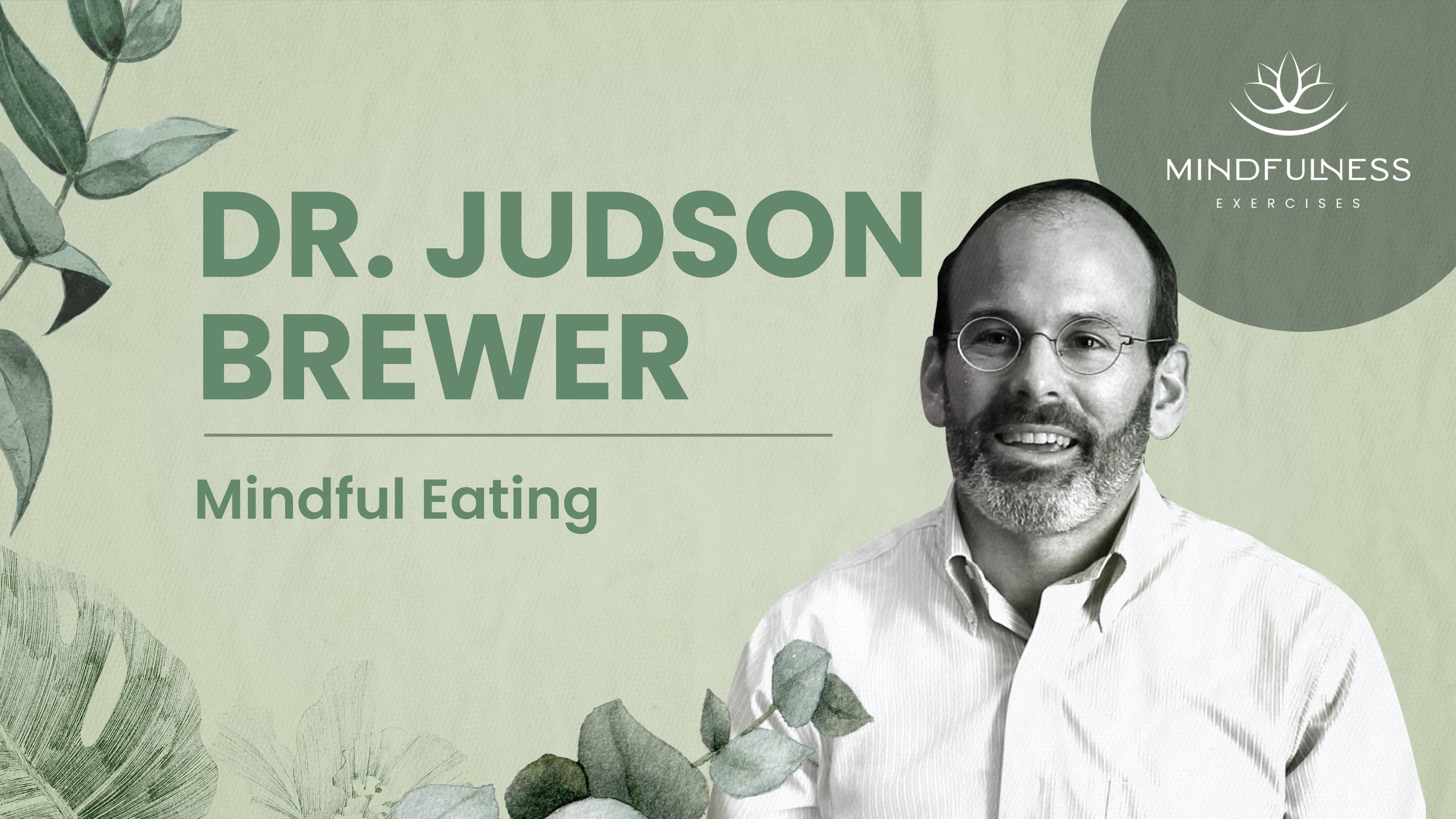 04· 1.75 hrs· Judson Brewer, MD, PhD
Mindful Eating: Neuroscience, Habit Formation, and Awareness-Based Interventions
Homeostatic vs. hedonic hunger, the dopamine reward loop, and a three-step framework for working with eating habits without relying on willpower.
Learning objectives
- Explain the neuroscience of eating behavior, including the distinction between homeostatic and hedonic hunger, the role of dopamine posited in reinforcement learning, and why willpower-based approaches are often found to be ineffective.
- Apply a three-step awareness-based framework for addressing eating habits: mapping habit loops, updating reward value through mindful attention, and cultivating curiosity as an alternative to reactive eating.
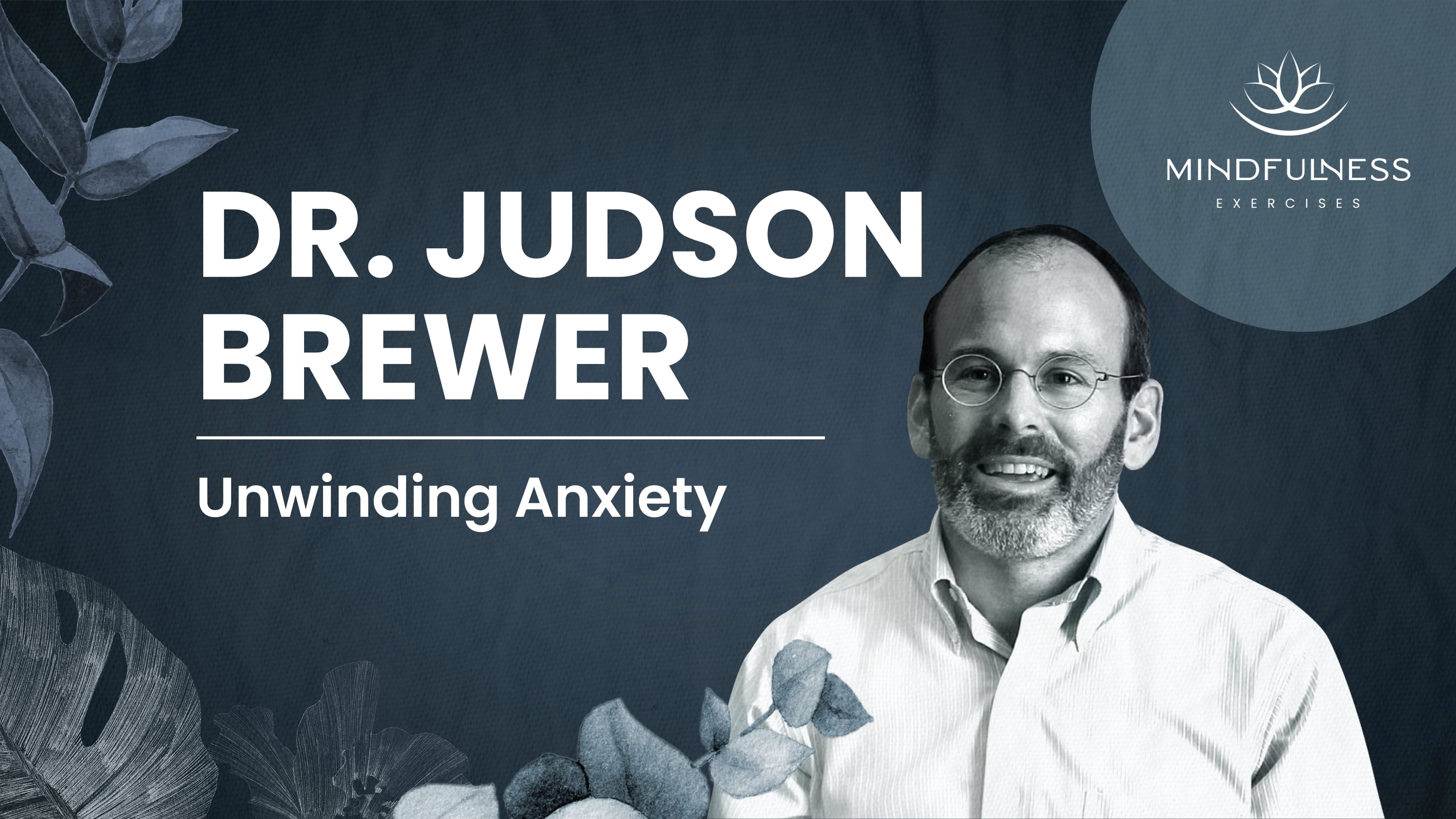 05· 2.5 hrs· Judson Brewer, MD, PhD
Unwinding Anxiety: Habit Loops, Reward-Based Learning, and Mindfulness-Based Intervention
Anxiety as a habit loop; the Rescorla-Wagner prediction error model; cultivating curiosity and kind awareness as a 'bigger, better offer.'
Learning objectives
- Explain how anxiety operates as a habit loop through reward-based learning mechanisms in the brain.
- Apply a three-step awareness-based framework for working with anxiety in professional practice.
This pathway covers:
- Resilience as a trainable skill, and how to build it.
- How the brain can calm the amygdala, and what turns that calm into a lasting trait.
- How the brain constructs a sense of self, and what neuroscience shows about deconstructing it.
- Why willpower can fail, and how reward-based awareness can work instead.
- The habit-loop wiring behind anxiety, and how mindfulness works with it instead of against it.
Faculty
Richard J. Davidson, PhD · Rick Hanson, PhD · Judson Brewer, MD, PhD
Neuroscience of mindfulness CE credits→

What leading teachers say
Trusted by the people who built the field.
The endorsements below are from teachers and authors recognized worldwide — two of whom (Germer and Hanson) teach modules in this very curriculum.
Rick Hanson, PhD
NYT bestselling author of Resilient and Hardwiring Happiness · Pathways I & II instructor
Jack Kornfield
Renowned mindfulness teacher · Founder, Spirit Rock Meditation Center
Sharon Salzberg
World-renowned mindfulness meditation teacher
Christopher Germer, PhD
Founder of the Mindful Self-Compassion Program · Pathway III instructor
These are about Sean Fargo — a former Buddhist monk, IMTA-certified teacher, and the founder of Mindfulness Exercises, who assembled this curriculum. Two of the four also teach modules in it.