The demand for mindfulness teachers is rising — and not just anecdotally.
National research, employer investment trends, and healthcare implementation data all point in the same direction: mindfulness and meditation are becoming integrated into mainstream systems.
Over the past decade, I’ve watched this shift firsthand.
When I began teaching mindfulness professionally — after years as a Buddhist monk — most organizations didn’t know what MBSR stood for. Today, HR departments reach out asking for structured resilience programs. Hospitals are investing in facilitator training. Therapists and coaches are seeking evidence-based mindfulness teacher certification to integrate into their professional work.
This is no longer fringe.
It’s measurable industry growth.
If you're exploring a career in mindfulness, understanding this expansion matters.
Is There Growing Demand for Mindfulness Teachers?
Yes.
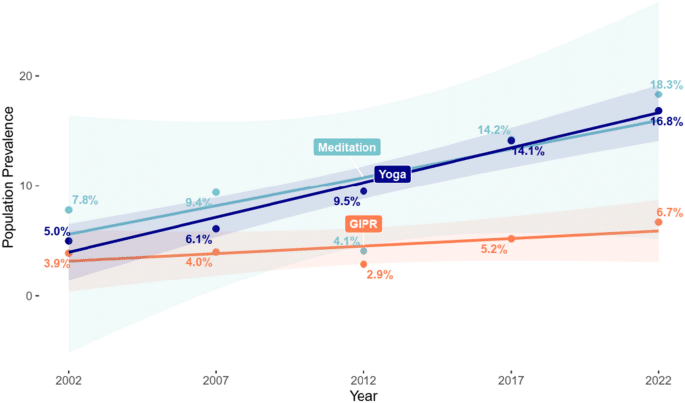
Meditation use among U.S. adults increased from 7.5% in 2002 to 17.3% in 2022, according to the National Institutes of Health — making meditation the most used complementary health approach in the country.
At the same time:
These combined forces are driving sustained mindfulness teacher demand across multiple sectors.

Why the Demand for Mindfulness Teachers Is Increasing
Several macro trends are contributing to the growth of meditation teacher demand.
1. Rising Stress and Burnout
The U.S. Surgeon General has identified workplace stress and burnout as national concerns. Employers are responding with resilience programs, mindfulness workshops, and structured stress-reduction initiatives.
Mindfulness is increasingly positioned not as spirituality — but as skill development in:
This shift creates institutional opportunity.

Many organizations are discovering that mindfulness is not only a stress-reduction tool but also a practical method for strengthening resilience. Research continues to show how mindfulness improves emotional regulation, attention stability, and recovery from stress. If you want to explore the science in more detail, see how mindfulness builds resilience
2. Growth of the Mental Wellness Economy
The Global Wellness Institute reports the mental wellness economy reached $181 billion in 2022 and is projected to reach $330 billion by 2027.
McKinsey estimates overall U.S. wellness spending exceeds $500 billion annually.
More importantly, younger generations rank mindfulness significantly higher in importance than previous generations — suggesting sustained future growth.
3. Institutional Adoption in Healthcare
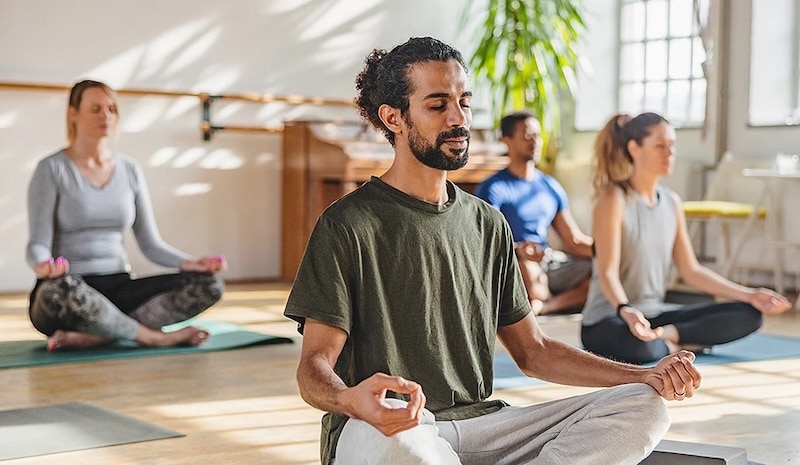
Healthcare burnout has led to increased adoption of structured mindfulness programs.
Randomized clinical trials demonstrate reductions in perceived stress and job strain through mindfulness-based interventions.
The VA Greater Los Angeles Center for Mindfulness houses a national mindfulness facilitator training program for clinicians — evidence of formal infrastructure development.
As healthcare systems institutionalize mindfulness, the need for professionally trained instructors grows.
4. Expansion of Corporate Mindfulness Programs
Corporate mindfulness programs are no longer experimental.
Employer surveys indicate strong continued investment in well-being strategies, including mindfulness and resilience training.
If you're interested in how teachers enter organizational settings, see:
👉 Selling Your Mindfulness Teachings to Organizations
Corporate demand represents one of the strongest growth channels from 2026–2030.
Another important factor behind corporate adoption is the growing recognition that employee well-being directly influences performance, retention, and culture. Research exploring real happiness at work highlights how mindfulness practices can support healthier workplace environments and more sustainable productivity.
What Does This Mean for a Career in Mindfulness?
There is no standalone federal job category labeled “Mindfulness Teacher.”
However, related instructional categories — such as Self-Enrichment Teachers — include hundreds of thousands of workers and show continued projected growth.
Mindfulness professionals often operate under titles such as:
If you want a deeper breakdown of professional pathways:
👉 Is There Really a Career in Mindfulness?
The opportunity exists — but it rewards preparation.
For those considering entering the field, it helps to understand both the practical steps and the professional pathways available. Guides such as how to teach mindfulness and how to become a meditation teacher offer an overview of training, teaching methods, and common career routes.
How Much Can Mindfulness Teachers Earn?
Income varies widely based on:
Corporate workshops often range from $500–$2,500 per session, while multi-session programs may range from $3,000–$15,000+.
For a detailed breakdown:
👉 Mindfulness Teacher Salary Guide
The key insight:
The field is growing — but professionalism influences earning potential.
For teachers who want to build a sustainable income, developing both teaching skill and entrepreneurial awareness becomes important. Learning how to start a meditation business can help instructors understand pricing, program design, and how to structure offerings for organizations or private clients.
Why Certification Matters More as Demand Grows
As the demand for mindfulness teachers increases, so does scrutiny.
Organizations increasingly ask:
The National Center for Complementary and Integrative Health notes that mind-body practices are typically taught by trained practitioners.
As mindfulness enters mainstream systems, professional training becomes more important — not less.
Certification strengthens:
If you feel called to teach responsibly:
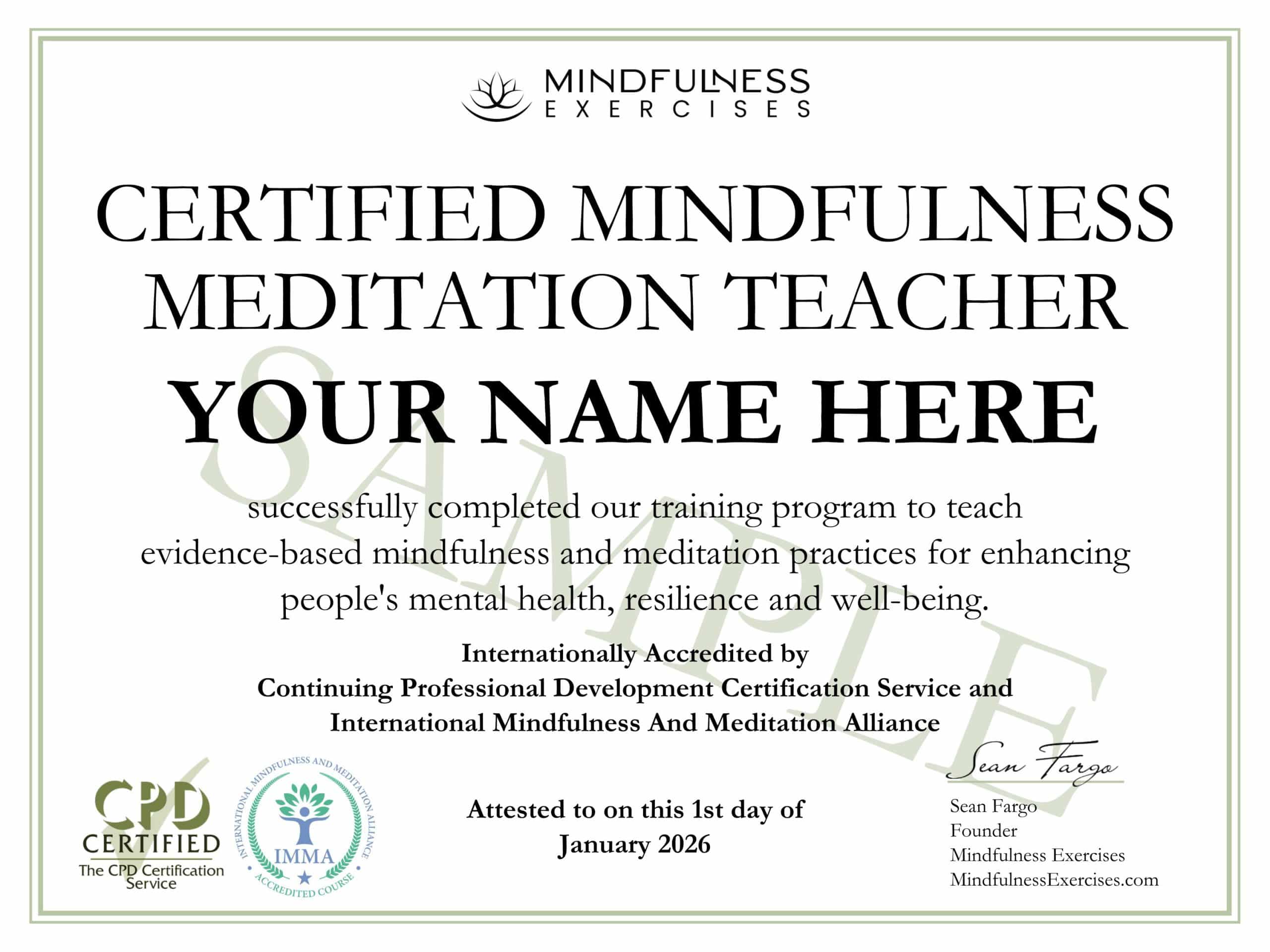
👉 Explore professional training at https://certify.mindfulnessexercises.com/
2026–2030 Forecast: Where Growth Appears Strongest
Based on research and industry observation, the strongest growth channels appear to be:
Lower growth appears in unstructured drop-in models without curriculum.
The future of mindfulness careers favors:
Professional, structured, evidence-informed delivery.
What Separates Sustainable Teachers From Casual Instructors
From working with thousands of professionals since 2015, sustainable teachers typically:
Mindfulness alone does not build a career.
Professionalism does.
Frequently Asked Questions
Is there really demand for mindfulness teachers?
Yes. Meditation use has more than doubled in 20 years, employers are expanding mental health budgets, and healthcare systems are formalizing mindfulness programs.
Is mindfulness growing as a profession?
Yes. The wellness economy continues expanding, and institutional adoption is increasing.
Can you build a career teaching mindfulness?
Yes. Many professionals combine corporate programs, private cohorts, retreats, and professional integration to create sustainable income.
Do you need certification?
While not legally required in most regions, certification significantly improves credibility and institutional readiness.
Final Thoughts
The demand for mindfulness teachers is rising because stress is rising.
Burnout is rising.
Mental health challenges are rising.
Mindfulness offers research-supported tools for regulation and resilience.
The ecosystem is expanding.
The question is not whether opportunity exists.
The question is whether you are prepared to meet it professionally.
If you feel called to teach with integrity:
👉 Certify.MindfulnessExercises.com
With mindfulness,