
TuneIn
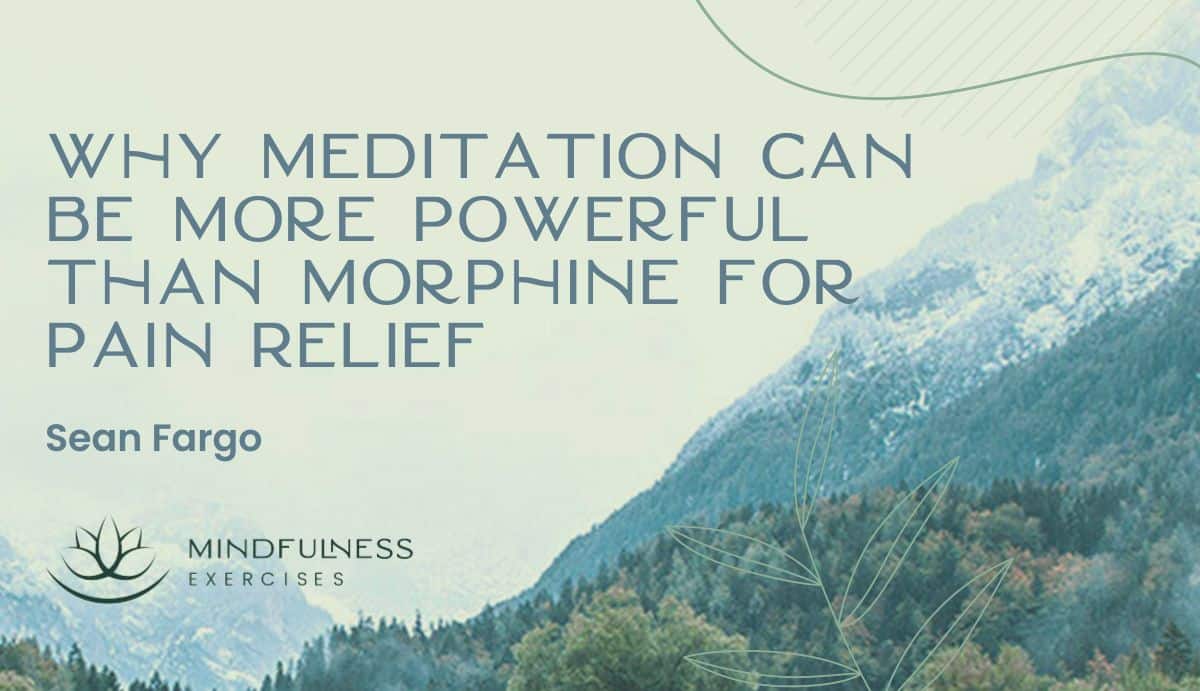
It may sound surprising, but mindfulness meditation has been shown to reduce chronic pain more effectively than morphine — with lasting benefits for both body and mind. In this episode, Sean Fargo dives into the science and practice behind this powerful approach, explaining why mindfulness isn’t just a mental exercise, but a deeply embodied tool that helps people relate to pain with greater clarity, presence, and courage.
Whether you’re working with clients who suffer from pain or exploring ways to navigate your own discomfort, this episode reveals how mindfulness changes the brain, rewires emotional responses, and offers a compassionate path forward.
Sponsored by our Mindfulness Meditation Teacher Certification Program MindfulnessExercises.com/Certify
What You’ll Learn in This Episode:
- Why mindfulness can reduce pain more effectively than morphine
- How mindfulness helps differentiate physical pain from emotional suffering
- The science behind mindfulness and brain function
- How mindfulness builds the courage to stay present with discomfort
- Why emotional overwhelm can intensify physical pain — and how mindfulness helps
Show Notes:
Why mindfulness can reduce pain more effectively than morphine
Morphine typically reduces chronic pain by about 25%. Mindfulness meditation, on average, reduces it by around 40% — and in some studies, by up to 93%. Sean explains how meditation engages multiple parts of the brain and offers not just symptom relief, but a shift in how pain is experienced and processed.
How mindfulness helps differentiate physical pain from emotional suffering
One of the key benefits of mindfulness is that it allows people to clearly distinguish between the raw physical sensations of pain and the thoughts, memories, and emotions that often amplify suffering. Sean explores how this clarity brings emotional relief and empowers people to respond more skillfully to their pain.
The science behind mindfulness and brain function
Sean breaks down how consistent mindfulness practice can literally reshape the brain — increasing gray matter in the prefrontal cortex, strengthening the insula and thalamus, and deactivating the amygdala. These changes enhance pain regulation, self-awareness, and reduce the emotional reactivity that often intensifies pain.
How mindfulness builds the courage to stay present with discomfort
Rather than avoiding or numbing pain, mindfulness invites us to gently turn toward it. Sean explains how this shift fosters resilience, reduces fear and overwhelm, and empowers practitioners to meet their pain with compassion and curiosity instead of resistance or despair.
Why emotional overwhelm can intensify physical pain — and how mindfulness helps
Feelings like resentment, fear, and anxiety can increase pain intensity. Mindfulness helps strip away the emotional layers surrounding pain, so that individuals can experience the physical sensations without added suffering. This emotional regulation is key in helping people regain a sense of control and ease.
Additional Resources:
- Free Training with Sean Fargo: How to Teach Mindfulness With Confidence & Credibility
- Certification: Mindfulness Meditation Teacher Certification Program
- Guided Meditation Script: Deep State Of Relaxation For Chronic Pain
- Guided Meditation Script: Body Scan Meditation For Chronic Pain
- Guided Meditation Script: Making Room for Pain or Discomfort