🎉 $1,000 off Mindfulness Teacher Certification — annual sale ending soon

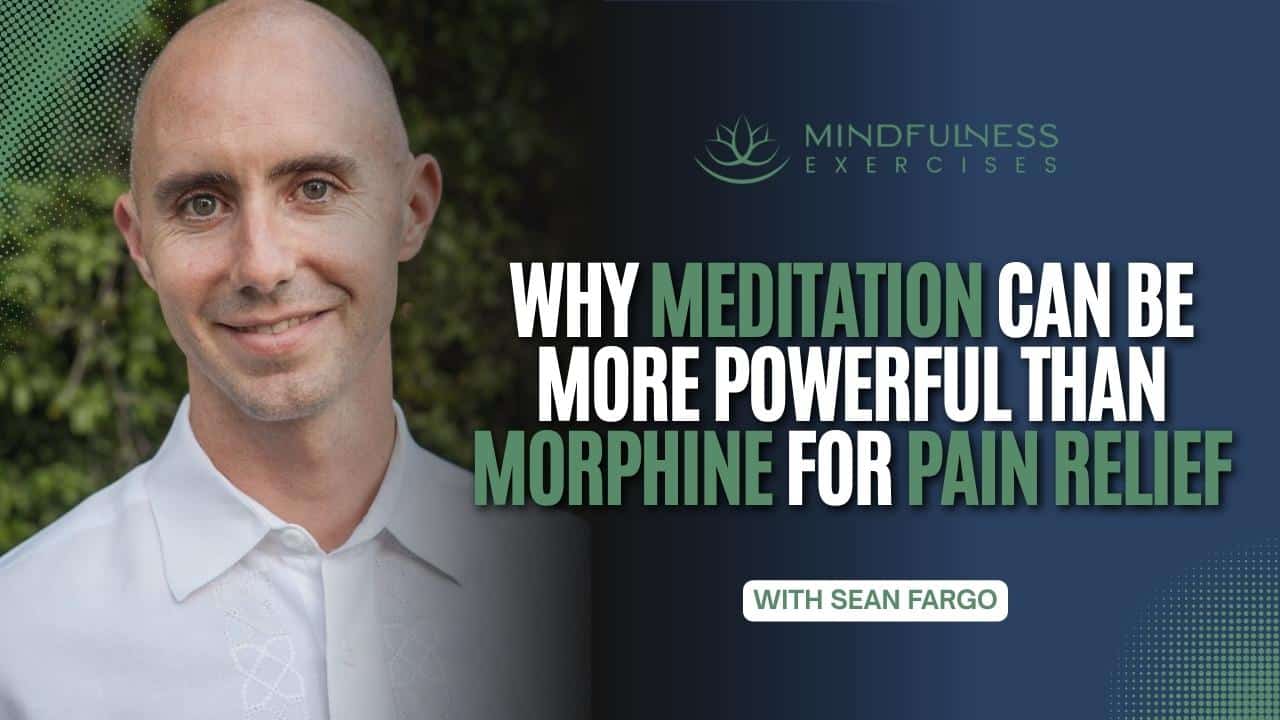
    Why Meditation Can Be More Powerful Than Morphine for Pain Relief

    SF
    Sean FargoPublished November 18, 2024 · Updated November 4, 2025 · 2 min read
    Why Meditation Can Be More Powerful Than Morphine for Pain Relief

    Loading episode player

    Why Meditation Can Be More Powerful Than Morphine for Pain Relief — Tunein Logo

    TuneIn

    Why Meditation Can Be More Powerful Than Morphine for Pain Relief

    It may sound surprising, but mindfulness meditation has been shown to reduce chronic pain more effectively than morphine — with lasting benefits for both body and mind. In this episode, Sean Fargo dives into the science and practice behind this powerful approach, explaining why mindfulness isn’t just a mental exercise, but a deeply embodied tool that helps people relate to pain with greater clarity, presence, and courage.

    Whether you’re working with clients who suffer from pain or exploring ways to navigate your own discomfort, this episode reveals how mindfulness changes the brain, rewires emotional responses, and offers a compassionate path forward.

    Sponsored by our Mindfulness Meditation Teacher Certification Program MindfulnessExercises.com/Certify

    What You’ll Learn in This Episode:

    • Why mindfulness can reduce pain more effectively than morphine
    • How mindfulness helps differentiate physical pain from emotional suffering
    • The science behind mindfulness and brain function
    • How mindfulness builds the courage to stay present with discomfort
    • Why emotional overwhelm can intensify physical pain — and how mindfulness helps

    Show Notes:

    Why mindfulness can reduce pain more effectively than morphine

    Morphine typically reduces chronic pain by about 25%. Mindfulness meditation, on average, reduces it by around 40% — and in some studies, by up to 93%. Sean explains how meditation engages multiple parts of the brain and offers not just symptom relief, but a shift in how pain is experienced and processed.

    How mindfulness helps differentiate physical pain from emotional suffering

    One of the key benefits of mindfulness is that it allows people to clearly distinguish between the raw physical sensations of pain and the thoughts, memories, and emotions that often amplify suffering. Sean explores how this clarity brings emotional relief and empowers people to respond more skillfully to their pain.

    The science behind mindfulness and brain function

    Sean breaks down how consistent mindfulness practice can literally reshape the brain — increasing gray matter in the prefrontal cortex, strengthening the insula and thalamus, and deactivating the amygdala. These changes enhance pain regulation, self-awareness, and reduce the emotional reactivity that often intensifies pain.

    How mindfulness builds the courage to stay present with discomfort

    Rather than avoiding or numbing pain, mindfulness invites us to gently turn toward it. Sean explains how this shift fosters resilience, reduces fear and overwhelm, and empowers practitioners to meet their pain with compassion and curiosity instead of resistance or despair.

    Why emotional overwhelm can intensify physical pain — and how mindfulness helps

    Feelings like resentment, fear, and anxiety can increase pain intensity. Mindfulness helps strip away the emotional layers surrounding pain, so that individuals can experience the physical sensations without added suffering. This emotional regulation is key in helping people regain a sense of control and ease.

    Additional Resources:

    Transcript

    Show transcript· 2 min read

    It's pretty remarkable that mindfulness meditation can be more powerful than morphine. Morphine has been shown to, on average, reduce chronic pain by about 25%, around that percentage. Mindfulness meditation has been shown to, on average, reduce chronic pain by about 40%, and in some cases up to 93%, with short-term and long-term benefits. There are many different kinds of meditation. There's loving kindness, there's mantra meditation, concentration exercises. There's a whole host of different kinds of meditations. Mindfulness is one kind of meditation, and mindfulness is simply the act of bringing your awareness to what you're actually experiencing in the present moment without judgment. So it sounds simple and it's not that easy to bring non-judgmental awareness on purpose to your experience both in your body and your mind without judgment is very difficult to sustain over and over and over again. But we found that with mindfulness, patients with chronic pain and depression and anxiety are more able to differentiate between the physical sensations in the body and your thoughts about the sensations and the memories that you have around your pain or resentment around your pain or anxiety or feelings of overwhelm around your pain. And also people who cope with chronic pain by either feeling overwhelmed and anxious, or who feel like they want to check out from their experience, who want to ignore or get away from their pain. We found that mindfulness is a great bridge to bring them back to the present moment with a sense of non-judgment and really sense into what are the actual sensations that I'm experiencing right now? What does this pain feel like? Can I bring courage to be with it rather than to fight it or ignore it? And over time, the more chronic pain patients do this, the more gray matter is actually grown in the prefrontal cortex, the stronger the thalamus is and the insula in helping to know which pain signals are worth paying attention to and to increase proprioception inside the body. And it also deactivates portions of the amygdala, which decreases the emotional response to pain, which is often very harmful and actually increases pain. So mindfulness is really helpful in the brain, and neuroscience research is showing how important it is to uh uh increase cognitive function and decrease emotional responsiveness to pain, and engage the patient into their real life experience, bring courage to be with their pain, and to remove the physical sensations from all of the anxiety and uh feelings of overwhelm around the pain.

    Share

    Continue reading

    • Grounding Through Anxiety With Senses

      Grounding Through Anxiety With Senses

      Read
    • Shamatha Vipassana Explained For Modern Minds

      Shamatha Vipassana Explained For Modern Minds

      Read
    • How To Stop Believing You Are Not Enough

      How To Stop Believing You Are Not Enough

      Read

    Professional training

    Accredited mindfulness teacher certification

    Trusted by teachers in 100+ countries

    Structured training, CE credits for eligible pay-in-full registrants, and support for teaching without self-doubt — after you have explored this episode.