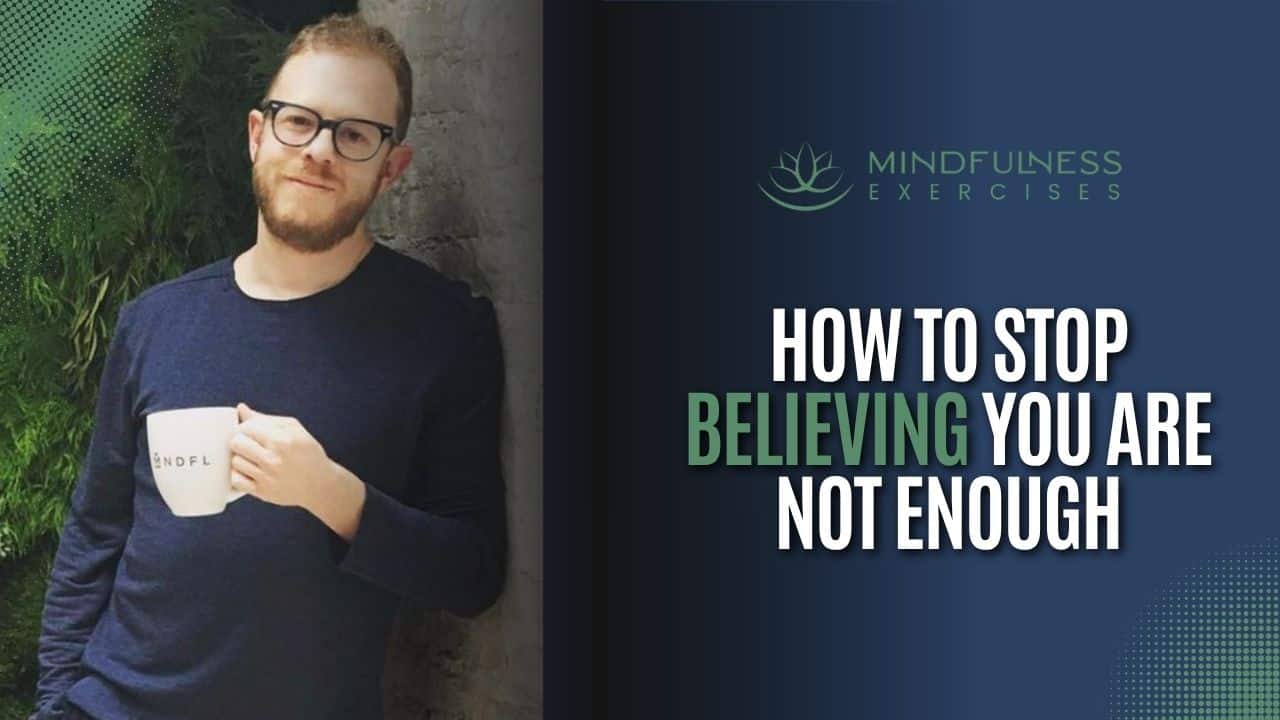
Hello and welcome to the Mindfulness Exercises podcast. It's a pleasure to be here with you today. My name is Sean Fargo. I help people to deepen their mindfulness and meditation practice and to learn how to teach it and share it with others. Usually in professional settings, it occurred to me today that even a kindergartner can teach mindfulness. So we're gonna explore what that means and what the implications are for adults who may want to help others be present, but for some reason they feel like they can't do it or they're not good enough, or they think it's too complicated. So my five-year-old daughter, Sasha, is in kindergarten and yeah, she's the daughter of a mindfulness teacher, but she was born pretty present. I think a lot of you parents will resonate with how present kids can be just out of the womb. But my daughter asks me all the time, Dad, how are you feeling? What's going on with you right now? Can we sit together for a little bit in silence? Can we bring this gentle awareness to how we're feeling? And she actually closes her eyes and she'll put her hand on her heart, which is the sweetest thing in the world, and she'll breathe and she'll just kind of sit there and notice what's going on. And she'll invite me to do the same. And, you know, mindfulness can be that simple. It's simply an invitation to notice how this moment is unfolding. Without trying to force it to be different, without trying to change it, without judging it to be good or bad, right or wrong. Just kind of opening and allowing ourselves to feel what we feel. So it's not complicated, it's not rocket science. It takes practice, and I'd like to think that my daughter's been practicing for years, if not lifetimes. You know, unfortunately, a lot of adults, even those adults who've been practicing for a while, feel like they need to be more than they are, or they feel like they're not worthy to teach mindfulness, they're not good enough, feel like they need to know, you know, so much more, or they need to have been a monastic, or to have sat years of retreats. But in reality, we're simply learning how to invite presence. We're not teaching Buddhism or enlightenment. It's not rocket science. We don't have to be perfect, we just need to be authentic and to learn how to open to this moment and to continue sensing into how we're doing with gentleness and to invite others to do that too, with gentle awareness. So it's not complicated. A kindergartner can do this. My daughter's teacher teaches mindfulness too, so that might be where she gets some of this from. But if you have imposter syndrome or fear of judgment around helping others to be present, remember that it's really simple. We're simply offering a few tools or techniques to see what works for them. You know, not everyone will like you, not everyone will like mindfulness, but remember it's not about you. And in my opinion, it's not even about mindfulness. It's about people's suffering and their challenges and their disconnection from the present moment. A lot of people are struggling, a lot of people are needing help and wanting help. And we know mindfulness can help them. It might not be a cure all, but it can be a really good foundational step. If people are struggling and we can offer a few tools to help them to tune into their body, their breath, their thoughts, their hearts, then who are we not to help them? Who are we not to offer these tools? We still may be a little bit nervous or worried that they might react or think that we're trying to convince them of something, which we're not, but that's okay. Hopefully the benefits that they feel outweigh the risk of them not liking us. So it's not about me, it's not about you, it's about helping others with a sense of compassion because a lot of people need it right now. We need millions more mindfulness teachers to share mindfulness authentically through the prism of your own being. We don't need cookie-cutter mindfulness teachings. We don't need cookie-cutter mindfulness teachers. We need, quite frankly, everyone to step up and help each other to be mindful, to be present in every walk of society. Can you imagine what this world would be like if we all encouraged each other to simply be present? It's not about believing anything or doing anything special. It's simply checking in with ourselves, coming home to ourselves. So you can do this. Your kindergartner can do this. Anyone can do this. And I offer a few tools and techniques through our certification program to certify you to do this in professional settings if you want. But, you know, this is my life to help you and to help others share mindfulness with each other, with our families, with our colleagues, with our communities and our neighbors, with people on the internet. We all need help. I need help too. I need coaches and mentors and people to remind me, to check in, to be mindful. It's it's not complicated. We can close our eyes, we can keep our eyes open, we can sit in a special posture, or we can just sit in a lazy boy. We can bring mindfulness to walking, mindfulness to doing dishes, mindfulness to speaking. We don't have to have a special posture or technique. This isn't Buddhism per se. It's just about being present. And we've all been present at many points in our lives, regardless of whether it was called mindfulness or not. Many of us have been mindful in nature, in the shower. Maybe have like a safe sanctuary-like space where you feel very present and where you're really just kind of a part of your surroundings, just noticing how things are, noticing how things feel without judging it or trying to make it different. So it's not like we're teaching anything new. It's not like we're introducing something that people don't already know. That's why I think the term like teaching mindfulness is a little awkward because we're really reminding people how to be present. It's something we've all experienced. So it's not about introducing new concepts or theories. It's about reminding each other, can you be here now? And can we do that with a sense of care and gentleness? Without judging people if they're not present, without judging people if they're distracted or confused. We're not trying to force an outcome, we're trying to make people feel a certain way. We're simply inviting them to notice with caring curiosity. What is this moment like? And we might feel stressed or anxious or depressed. And that's okay. It's okay to feel what we feel. And reminding people that it's okay to feel however they feel. But if we bring gentle awareness to it, we usually end up feeling a little bit better because we're present for it. We're not resisting it, we're not exaggerating it. We're opening to the energies of our life, our bodies, our emotions. When we allow these energies to flow with gentle awareness, we usually feel more alive, a sense of awe and wonder and care. So this is the beauty of mindfulness. This is what we can share with others. It's one of the greatest gifts we can offer. So if you're thinking about sharing mindfulness with others, I encourage you to do so, keeping it simple, keeping it authentic, keeping it gentle. I'd be honored to support you on your journey, but regardless, thank you for your presence. Thank you for your compassion to help others, and I wish you well. Take good care. Bye bye.