
TuneIn
Some days feel scattered before they even begin—your mind racing ahead, your shoulders lifting without permission, your attention pulled in countless directions. The practice in this episode starts from one mindful breath.
This week’s episode of the Mindfulness Exercises Podcast is a short guided practice built on a single cycle of breath. The guide invites you to settle into a posture that is relaxed and alert, notice what it feels like to be breathing, and stay aware of one full cycle of breath without forcing the breath to be any particular way.
Below are the themes of the episode and the everyday moments the guide mentions for bringing the practice in.
Sponsored by the Mindfulness Meditation Teacher Certification MindfulnessExercises.com/Certification
Episode Overview:
This guided practice takes listeners through one full cycle of breath: the inhale, the exhale, and the pause between the exhale and the inhale. It begins with a relaxed and alert posture, invites you to let the shoulders drop and the muscles of the face and jaw loosen, and asks for non-judgmental awareness of the sensations of breathing. The guide describes it as something you can do anytime, anywhere.
Key Themes:
- Staying aware of one full cycle of breath
- Letting the shoulders drop and the muscles of the face and jaw relax
- Starting with a posture that is relaxed and alert at the same time
- Feeling the breath as physical sensation, without forcing it to be one way or the other
- Noticing without a sense of right or wrong, good or bad
- Using breath awareness while traveling to work, going to sleep, taking a shower, or cooking dinner
- Building on this practice with more mindfulness tools over the coming weeks
- Mindfulness of breathing as one of the foundational practices of mindfulness
Anchors Covered in the Episode:
- Sensing into the belly, and the rise and fall of the belly with each inhale and exhale
- Contact with the ground or your chair, and an optional hand on the belly
- The pause between the exhale and the inhale
- The natural rhythm of the breath
-
Letting the shoulders, face, and jaw loosen
Show Notes:
A Single Breath as a Practice
The practice here is one breath long. The guide calls mindfulness of breathing one of the foundational practices of mindfulness, and starts from what you are already doing: breathing.
Attending to one full cycle of breath draws on three things:
- Arriving in the present moment
- Softening unnecessary tension
- Noticing without judgment
Building Support: Posture That Feels Relaxed and Alert
The episode begins by guiding listeners to find a posture that feels relaxed and alert at the same time. You can stand, sit, or lie down. The guide points to feeling supported through:
- Touching the ground or your chair
- Closing your eyes or looking downward to limit visual distractions
- A hand on the belly, which some people like for getting attuned to the natural rhythm of the breath
These contact points make the practice tactile: something you can feel.
From there the guide invites you to let the shoulders drop and the muscles of the face and jaw relax.
Tracking One Cycle of Breath: Inhale, Exhale, Pause
The heart of this practice is one cycle of breath:
- Bring awareness to the sensations of the inhale
- Bring awareness to the exhale as you breathe out
- Notice the pause between the exhale and the inhale
- Stay aware of one full cycle of breath, in and out
The guide invites you to feel the breath with the body, noticing the visceral sensations of breathing. The breath is not forced to be one way or the other. Some people like to start with a big breath in through the nose and out through the mouth; the choice is yours.
Each phase of the breath gives attention something to follow.
Softening Judgment: Simply Noticing
The guide asks for non-judgmental awareness throughout, “without a sense of right or wrong, good or bad.”
The instruction is to notice the sensations of the body and the mind for what they are, and to acknowledge your experience as it is.
Natural Breathing and Easing Tension
The guide asks for natural breaths in and out, with:
- Any tightness allowed to relax
- More ease felt as you breathe in and out
- Connection with the sensations of the body
- Attention to the heart, the emotions of the body, and the sensations in the head
- Acknowledgment of experience, nothing more and nothing less
The guide describes the aim as simply opening to your experience.
Making Mindful Breathing Part of Everyday Life
The guide describes this as something we can do anytime, anywhere.
The guide names these moments for bringing mindfulness to the breath:
- Traveling to work
- Cooking dinner
- Going to sleep
- Taking a shower
The guide calls it a useful way to connect with the body and the sensations of breathing, to feel grounded, and to feel a sense of alertness for what is happening in each moment, without judgment.
A Foundation for What Comes Next
The episode closes with a note that the show will build on this practice with a variety of mindfulness tools over the coming weeks.
Try the Practice Today
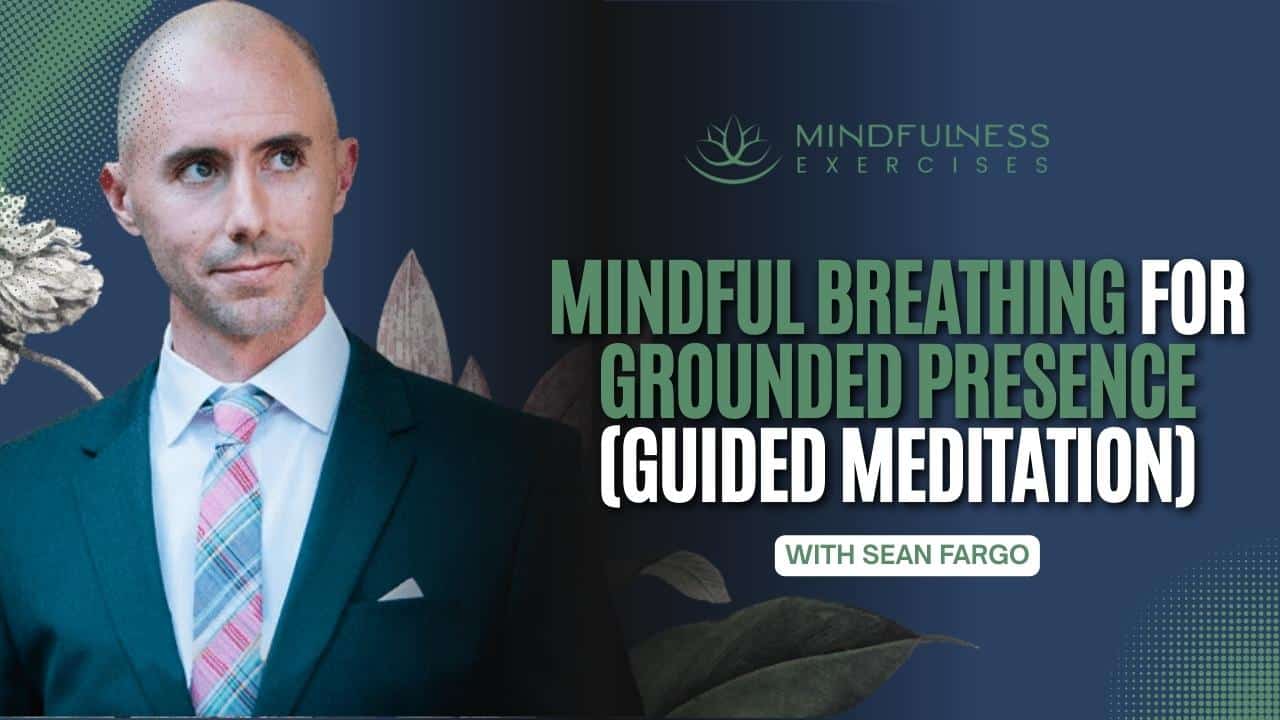
If this resonates with you, listen to the full “Mindful Breathing for Grounded Presence” guided meditation and try it sometime today. Share it with a friend who might need a reset. And consider leaving a review—it helps others discover the show.
Your breath is always with you. Let it bring you back.
Additional Resources:
- Free Training with Sean Fargo: How to Teach Mindfulness With Confidence & Credibility
- Certification: Mindfulness Meditation Teacher Certification
- Blog: Discover Effortless Mindfulness with Loch Kelly
- Blog: Mindful Reminders for When Life Feels Like Too Much