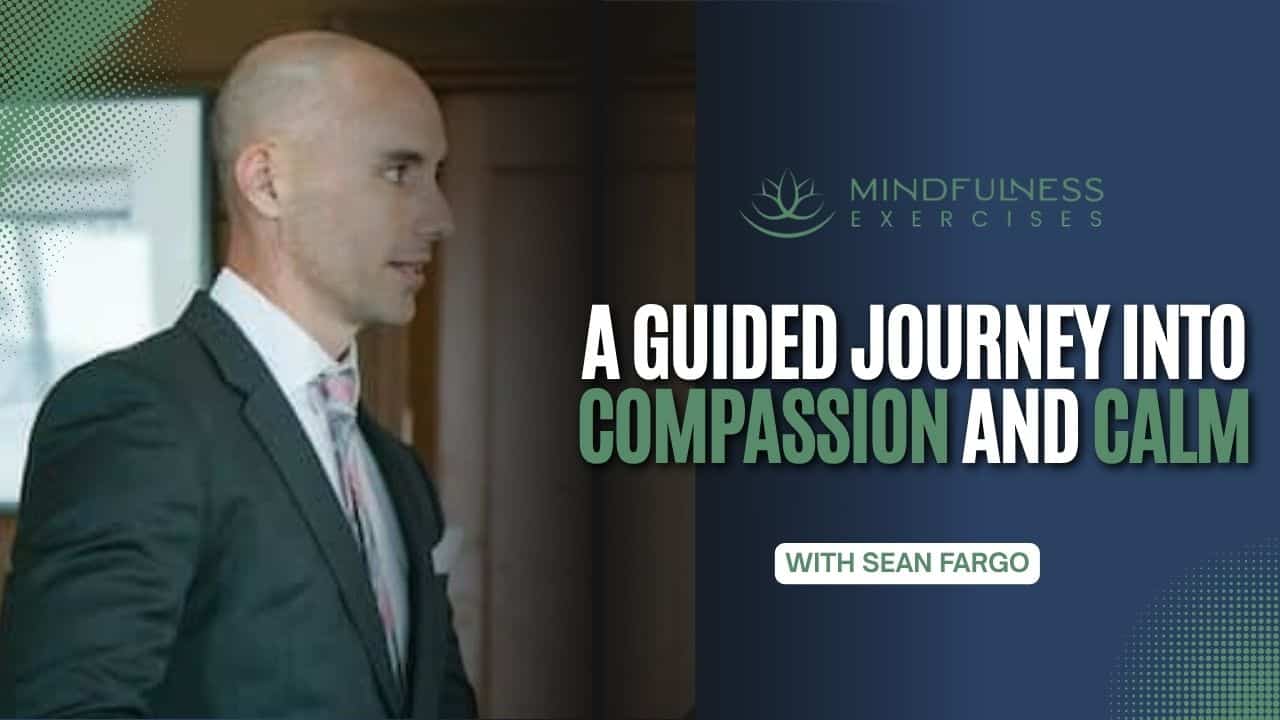
In a world that often demands speed, resilience, and constant output, many people quietly carry tension in their bodies and minds. We try to “relax,” but end up numbing out instead—scrolling, distracting, or disconnecting. True calm doesn’t come from escape. It comes from connection.
This guided journey into compassion and calm offers something different: a grounded, practical approach to softening the nervous system while strengthening the heart. It’s not about forcing positivity or pretending everything is okay. It’s about gently shifting from tension to care—starting within, and expanding outward.
If compassion has ever felt awkward, distant, or even inaccessible, this practice meets you exactly where you are.
Sponsored by our Mindfulness Meditation Teacher Certification Program
certify.mindfulnessexercises.com
Episode Overview:
What You’ll Learn:
- Why grounding the body is essential before practicing compassion
- How short phrases can gently rewire emotional reactivity
- A step-by-step loving-kindness sequence you can use anytime
- How expanding compassion outward prevents emotional burnout
- Ways to work with resistance without forcing positivity
Key Practices:
- Body-based relaxation (shoulders, face, breath)
- Self-directed loving-kindness phrases
- Expanding awareness from self → loved ones → community → all beings
- Closing the loop by returning compassion to yourself
Best Moments to Practice:
- When you feel overwhelmed or tense
- During transitions in your day
- Before sleep for a calmer mind
- Anytime compassion feels distant or difficult
Show Notes:
Why Compassion Needs a New Approach
There’s a common misconception that mindfulness means sitting perfectly still, like a statue, waiting for peace to arrive. But real mindfulness is alive. It moves. It breathes.
This practice challenges that “statue myth” by integrating subtle body awareness and natural posture adjustments. Instead of rigid stillness, you’re invited to:
- Soften the shoulders
- Relax the jaw and face
- Let the breath settle into a steady rhythm
These small shifts signal safety to your nervous system. And when your body feels safe, your mind becomes more receptive.
Compassion isn’t something you force—it’s something you allow.
Starting With the Body: Grounding First
Before we move into compassion phrases, we begin with grounding.
Why? Because without a settled nervous system, even the kindest words can feel hollow or ineffective.
Take a moment to notice:
- The weight of your body
- The rhythm of your breath
- Any areas of tightness or ease
There’s no need to change anything right away. Just noticing is enough.
From here, the breath naturally begins to deepen. The body softens. And a quiet readiness emerges.
The Power of Simple Phrases
At the heart of this practice are short, memorable phrases. These are not affirmations you need to believe immediately. They are gentle offerings—like planting seeds.
We begin with ourselves:
- May I be well
- May I be safe
- May I be happy
- May I live with ease
If resistance arises, that’s okay. It often does. Instead of forcing meaning, let the words hover lightly in your awareness. Let them land where they can.
This is where transformation begins—not through effort, but through repetition and patience.
Expanding the Circle of Care
Once we’ve connected with ourselves, we gradually widen the circle.
1. Someone Who Feels Easy to Love
Bring to mind a person (or even a pet) who naturally opens your heart. Offer them the same phrases:
- May you be well
- May you be safe
- May you be happy
- May you live with ease
Notice how the body responds. Warmth, softness, maybe even a smile.
2. Neighbors and Everyday Connections
Now extend that care outward—to people you see but may not know:
- The barista
- A neighbor
- Someone you pass on a walk
These subtle connections build a sense of shared humanity.
3. Friends and Family (With Complexity)
Here, compassion becomes more nuanced. Relationships aren’t always simple.
You might hold the reminder:
Everyone is doing the best they can with what they have.
Let that soften the edges as you offer your wishes.
4. All Beings Everywhere
Finally, we open the circle fully:
- May all beings be safe
- May all beings be free from suffering
- May all beings be happy
- May all beings live with ease
This expansive awareness helps prevent compassion fatigue. Instead of draining you, it connects you to something larger and steadier.
Returning to Yourself
To close the practice, we come back home—to ourselves.
This is essential.
After extending care outward, we gently receive it back:
- Notice any changes in your body
- Observe the quality of your thoughts
- Feel the emotional tone—has it softened, even slightly?
Even small shifts matter. Over time, they build a more resilient, compassionate baseline.
Why This Practice Works
This sequence is powerful because it follows a natural progression:
- Ground the body → Create safety
- Offer simple phrases → Build familiarity
- Expand outward → Strengthen connection
- Return inward → Integrate the experience
It’s practical. Portable. And adaptable to real life.
You can use it:
- On a busy morning before work
- During a stressful moment in your day
- In the evening to unwind and reset
It doesn’t require perfection—just willingness.
Final Reflection
Compassion isn’t about becoming someone new. It’s about remembering what’s already within you—and giving it space to grow.
This guided journey shows that calm doesn’t come from shutting down, but from opening up—gently, steadily, and with care.
Even a few minutes of this practice can shift your center of gravity from tension to warmth.
And that shift changes everything.
Additional Resources:
- Free Training with Sean Fargo: How to Teach Mindfulness With Confidence & Credibility
- Certification: Mindfulness Meditation Teacher Certification Program
- Blog: 200+ Heart Chakra Affirmations: A Path to Emotional Healing and Love
- Blog: How to Teach Meditation for Restorative Sleep and Deep Rest