🎧 New episode: Nothing's Missing: Dr. John Demartini on Mindfulness as WholenessListen →

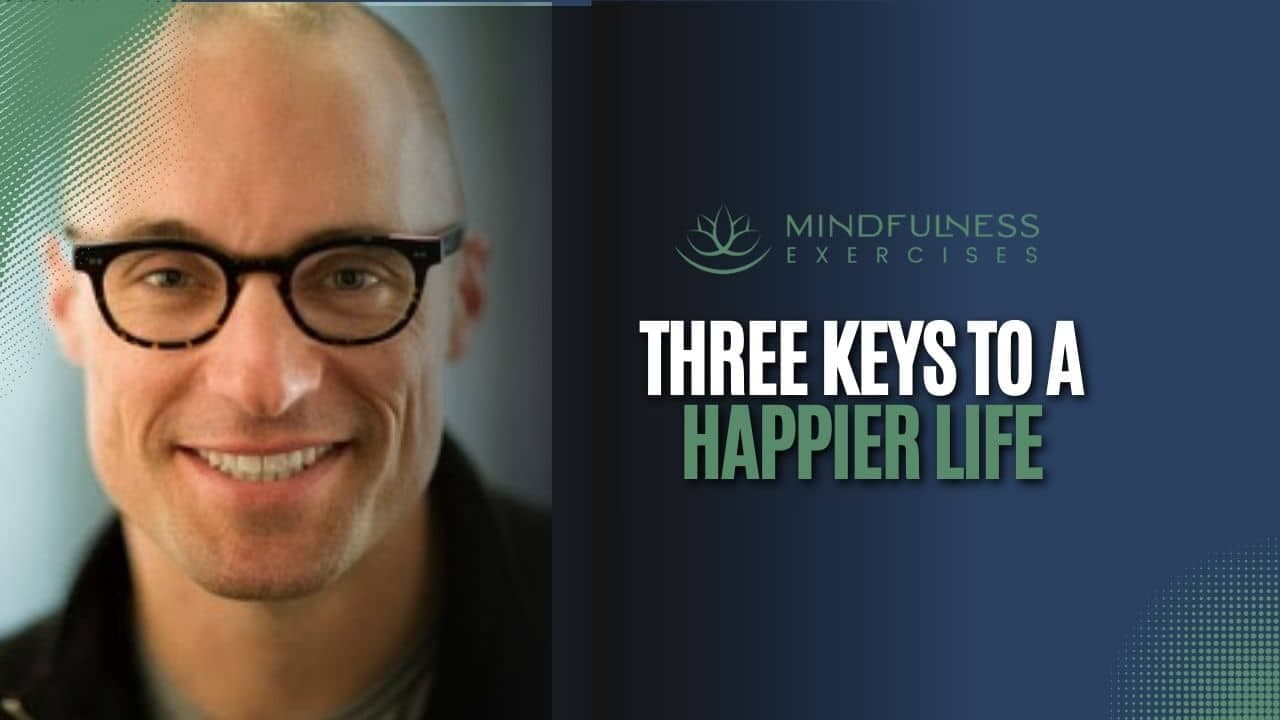
    Three Keys To A Happier Life

    SF
    Sean FargoPublished December 11, 2025 · 1 min read
    Three Keys To A Happier Life

    Loading episode player

    What if happiness isn’t something we chase, but something we create—piece by piece, in the way we connect, give, and make sense of our world?In this episode, Three Keys to a Happier Life, we explore a simple yet powerful model of well-being rooted in three essential human needs: connection, contribution, and meaning.

    These pillars shape how we experience the world, how we show up for others, and how we feel inside our own minds. Along the way, we look at awe, presence, distraction, and the quiet habits that make contentment more likely.

    Inspired by guest Austin Hill Shaw, this framework is both grounding and expansive—perfect for anyone looking to deepen their joy and build a more intentional life.

    Transcript

    Show transcript· 3 min read

    Defining Happiness

    What it means to be happy. We're going to start in this place. Like, what is it? What do we need in order to be happy?

    The Need For Connection

    The first thing that starts to come up is a sense of connection. Like all of us need to feel connected in the world in some way, shape, or form. All right. And the interesting thing about human beings is that we can disconnect from the world, right? More than any other creature out there, we have this capacity to time travel, meaning we can remember some aspect of who we are in the past. And we can also envision some version of ourselves in the future. And as we all know, we can also be incredibly discursive with our monkey minds, right? Where we're in situations that could be engaging us and we're just stuck in our heads, right? So the first core, what I call core human needs of being a human being is the need for connection. And connection takes on a lot of different forms. It's first and foremost a connection with ourselves, connection with significant others or loved ones. It's a connection to our neighborhoods or the environment. It's a connection to the natural world. But at our core, we need a sense of connection. And I've seen that, seen a lot of that in the chat. Connection is one of that. And other things that are at, you know, part of connection are love, communion, conversations, just a sense of fellowship, all sorts of different ways in that we can feel connected. So that's that's that's part one, basically. The first core human need is our need to connect.

    Time Travel Minds And Distraction

    The second core human need is our desire to contribute in some way, shape, or form. So, you know, all of us don't just want to, you know, we don't want to just be idle about our lives. We actually want to make our lives and our you know, our lives and other people's lives and you know, make things better for people. We want to contribute in some way, shape, or form. And so, and that way in which we contribute is very different for every person because all of us have different talents and proclivities and things that sort of draw us in. And so that other aspect of of that second aspect is basically our desire for contribution.

    Forms Of Human Connection

    And then the third aspect that we need, that all of us need as a core human need, need, is meaning. All of us need a sense of meaning on some some way, shape, or form. And really, there's two aspects to meaning. The first aspect of meaning is that we want to have some sort of framework or cosmology or understanding or philosophy of our life that makes sense. Like and you know, kind of especially more than ever, we we we need to, you know, in these very unique times that we're in, we want to have some way in which we can make sense of the world. Does that make sense? But the second act act of meaning are those experiences that are beyond thought, that are beyond description, that are really kind of ineffable. Like, for example, for those of you who have are parents, watching your a child being born is one of those experiences that meaningful, but beyond anything you could describe. Sometimes you can find yourself in natural places and experience just the

    The Drive To Contribute

    overwhelming sense of connectedness and beauty that's that's available

    Ineffable Moments Of Meaning

    in nature. And sometimes it can come from intense grief too, just where basically a thing that you thought you know was true, suddenly something happens and you're like, oh, it's actually this thing over here. You know, it's something. So those meaningful experiences, you know, those are those are the those two types of meaning, the the basically the conceptual frameworks that we use to organize our lives. And then those experiences that are beyond words, uh, those that that's constitutes the third

    The Three-Part Summary

    aspect. So again, connection, uh contribution, and meaning.

    Share

    Continue reading

    • Grounding Through Anxiety With Senses

      Grounding Through Anxiety With Senses

      Read
    • Shamatha Vipassana Explained For Modern Minds

      Shamatha Vipassana Explained For Modern Minds

      Read
    • How To Stop Believing You Are Not Enough

      How To Stop Believing You Are Not Enough

      Read

    Professional training

    Accredited mindfulness teacher certification

    Trusted by teachers in 100+ countries

    Structured training, CE credits for eligible pay-in-full registrants, and support for teaching without self-doubt — after you have explored this episode.