In today’s fast-paced world, many of us struggle to quiet our busy minds. Even those who teach mindfulness or meditation often admit how challenging it can feel to sit still, notice the chatter, and stay present.
Recently, I had the pleasure of speaking with Ariel Garten, neuroscientist, psychotherapist, fashion designer, and co-founder of Muse (InteraXon), the brain-sensing headband designed to make meditation more approachable.
Our conversation reminded me how mindfulness isn’t just about the mind, but also the body, the heart, and even the tools we choose to support our practice.
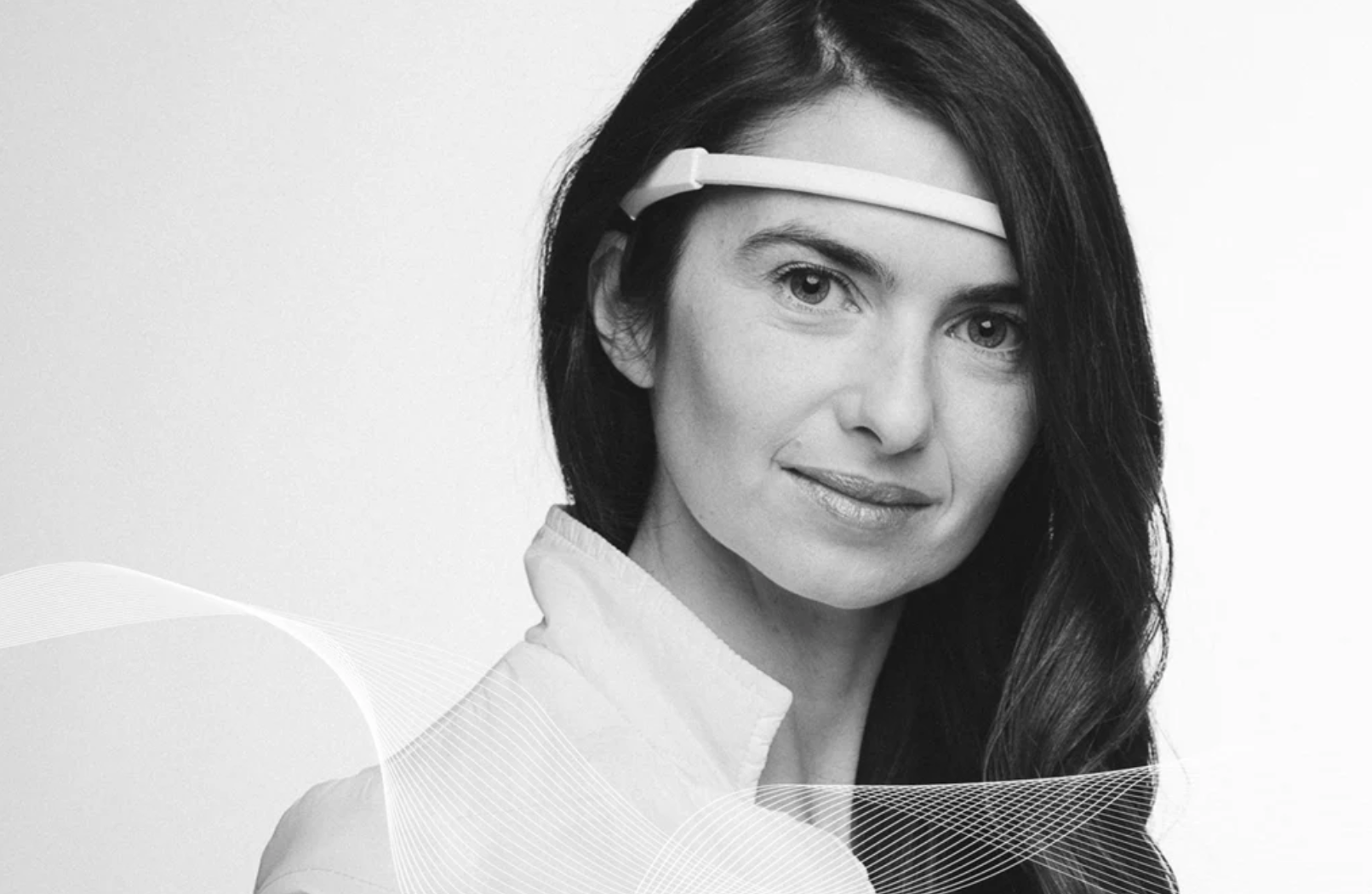
Ariel Garten’s Path from Struggle to Innovation
Like many of us, Ariel says she found meditation difficult at first. Her mind was constantly buzzing with ideas, and quieting it felt overwhelming. That experience shaped Muse, a headband that uses EEG sensors to give real-time feedback on brain activity.
According to Ariel, the feedback turns abstract mental states into something tangible, using soundscapes such as birdsong when attention stays with the breath and wind or rain when the mind wanders. The idea is that noticing the wandering and returning, again and again, builds attention much like exercising a muscle.
How Muse Enhances Meditation
One of the more interesting aspects of the Muse 2 is how it mirrors the inner landscape of meditation. When your attention steadies, you may hear calming bird sounds as subtle reinforcement. When the mind drifts, the sounds shift, gently nudging you back without judgment.
Beyond brain activity, Muse says the Muse 2 also tracks heart rate and circulation using a PPG sensor. This opens the door to heart-centered meditation, where listening to your heartbeat as rhythmic drum sounds can build interoception, your awareness of what’s happening inside your body. Heart rate variability and emotional regulation are among the things researchers are exploring in practices like this.
Mindfulness Without Devices
While technology like Muse can be an excellent guide, mindfulness is ultimately about cultivating awareness with or without tools. You can try simple practices right now:
- Breath Awareness: Label your wandering thoughts as “storm” and gently return to the breath, much like Muse’s sound feedback system.
- Heart Meditation: Place a hand on your chest and notice how your heartbeat changes with each inhale and exhale. Allow any emotions that arise to simply be.
- Body Scan for Sleep: Before bed, tense and release each muscle group while breathing deeply to relax your body and prepare for restful sleep.
These unplugged practices remind us that mindfulness is always accessible, no matter where we are.
What Ariel Garten Says About Muse’s Benefits
During our conversation, Ariel described Muse as a tool that supports meditation practice and may also support cognitive performance. It measures brain activity such as alpha peaks, and she linked consistent practice with focus, creativity, and stress resilience. These are her and Muse’s claims, not independent findings.
Muse says its users often report:
- Greater calm and relaxation
- Improved ability to manage distractions
- Better sleep quality
- Increased clarity and focus in daily life
These reports are self-described experiences, not clinical results. They line up with what I’ve seen in our community: mindfulness, whether supported by technology or practiced traditionally, can change the way we meet life’s challenges.
Mindfulness as a Lifelong Practice
What resonated most deeply was Ariel’s reminder that meditation is not about perfection. It’s a lifelong practice of tending to our mental health, embracing our inner experiences, and gently guiding them in a healthier direction. Whether through technology like Muse or unplugged awareness, the goal remains the same: to live more present, compassionate, and connected lives.
Final Thoughts
If you’re curious about deepening your mindfulness practice, I encourage you to listen to the full episode with Ariel Garten. Her story blends science, technology, and humanity, with practical insights for both beginners and experienced meditators.
And whether you try Muse or explore these practices on your own, I’d love to hear your experiences. Share them in the comments or join the conversation in our community forum — together, we can keep supporting one another in mindful living.