
The Neuroscience of Mindfulness: Attention, Habit Change, and Anxiety
Neural mechanisms of change, attention, reward learning, and self-construction
Establish the scientific and neurobiological foundation of evidence-based mindfulness — from the plasticity of well-being to the reward-learning mechanisms underlying anxiety and habit.
Taught by Richard J. Davidson, PhDRick Hanson, PhDJudson Brewer, MD, PhD
- 9.5
- CE contact hours
- Self-paced
- Format
- Intermediate
- Level
- Same day
- Certificate
All 5 module videos, the assessments, the course evaluation, and your certificate of completion — issued the day you finish and stored in your account.
Instant access · Lifetime
Psychologists: see CE details. Nurses: CA BRN CEP17985. Other boards vary — confirm with yours; if the hours don’t qualify, swap free to an equal-value program.
Continuing Education is sponsored by Mindful CECs.
About this pathway
How does mindfulness change the brain — and how can science inform clinical work? With Dr. Richard Davidson, Dr. Rick Hanson, and Dr. Judson Brewer, this course establishes the scientific and neurobiological foundations of evidence-based mindfulness practice: attention regulation, neuroplasticity, default mode network activity, and reward-based learning. Beginning with Dr. Davidson's landmark research on the plasticity of well-being and Dr. Hanson's methods for turning beneficial states into lasting traits, the pathway culminates in Dr. Brewer's three-part sequence — from the neuroscience of self-referential processing, to the habit loops understood to drive eating behavior, to the reward-learning mechanisms underlying anxiety. Participants are offered a rigorous, brain-based framework for understanding how mindfulness-based change is understood to occur.
Who this program is for
This intermediate-level program is designed for licensed and license-eligible mental health and healthcare professionals, including psychologists, social workers (LCSW, LSW), counselors (LPC, LCPC, LMHC), marriage and family therapists, nurses (RN, NP), and other healthcare professionals seeking continuing education in the neuroscience of mindfulness, habit change, and well-being.
Format & schedule
Self-paced homestudy (asynchronous recorded video). Online at learn.mindfulnessexercises.com — begin any time; there are no live session dates.
Completion requirements: Completion requires watching all module videos and passing each module assessment with a score of at least 75%. Up to 3 attempts are allowed per assessment. A course evaluation is requested from all participants. Certificates of completion are issued immediately upon completion and stored in your account.
This pathway covers:
- Resilience as a trainable skill, and how to build it.
- How the brain can calm the amygdala, and what turns that calm into a lasting trait.
- How the brain constructs a sense of self, and what neuroscience shows about deconstructing it.
- Why willpower can fail, and how reward-based awareness can work instead.
- The habit-loop wiring behind anxiety, and how mindfulness works with it instead of against it.
The 5 sessions · 9.5 CE contact hours
Each session is a recorded video with an assessment. The filed learning objectives are listed under every module.
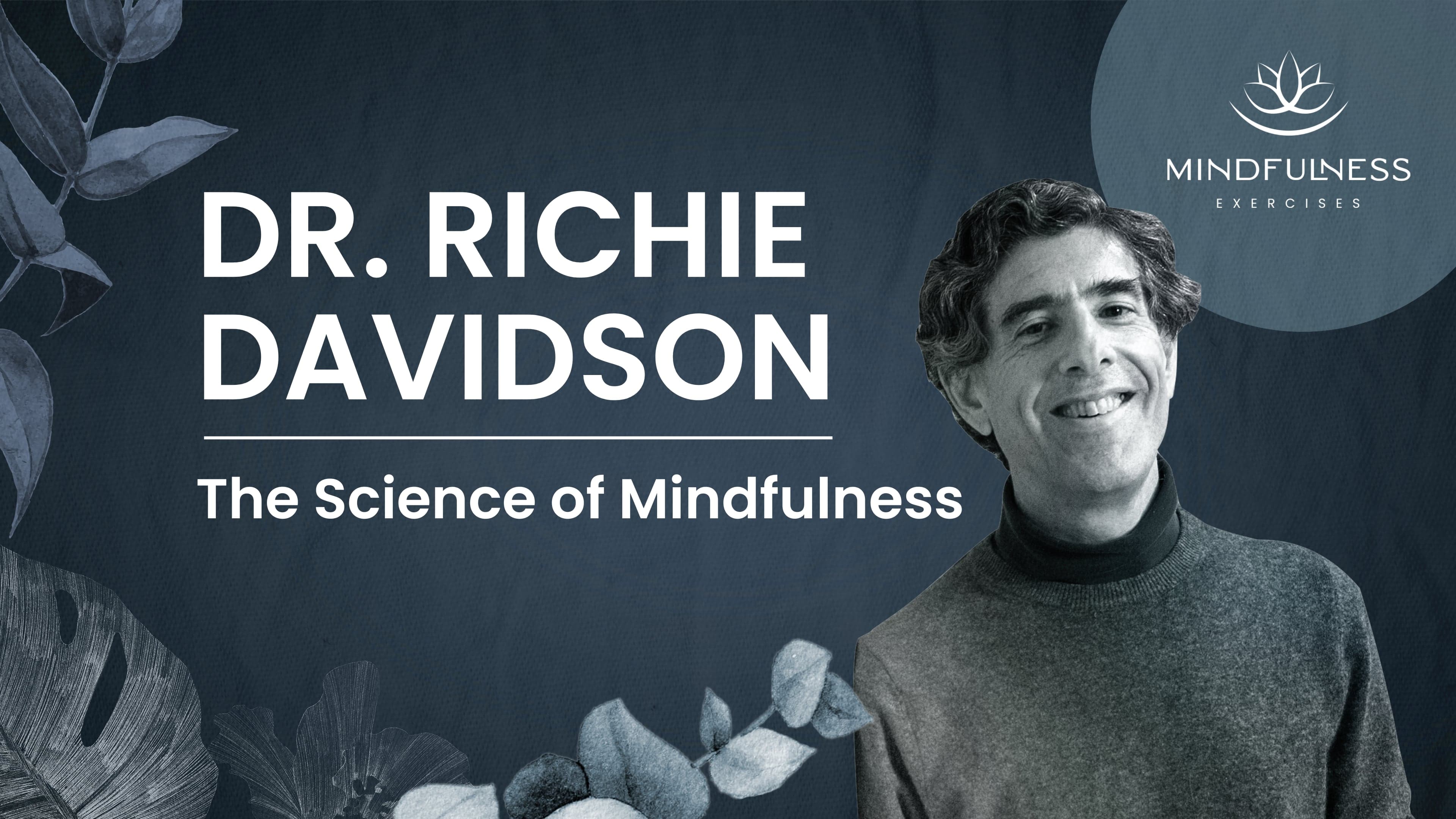
The Neuroscience of Mindfulness and Well-Being: Research Findings and Clinical Implications
Davidson's four-pillar framework (awareness, connection, insight, purpose); neuroplasticity, attention regulation, and resilience as rapid recovery from adversity.
Learning objectives
- Identify the four core dimensions of well-being (awareness, connection, insight, and purpose) and describe how each dimension relates to neuroplasticity and contemplative practice.
- Explain the concept of resilience as a form of ‘rapid recovery from adversity’ and describe associated neuroscience research findings demonstrating differential recovery patterns in meditation practitioners.
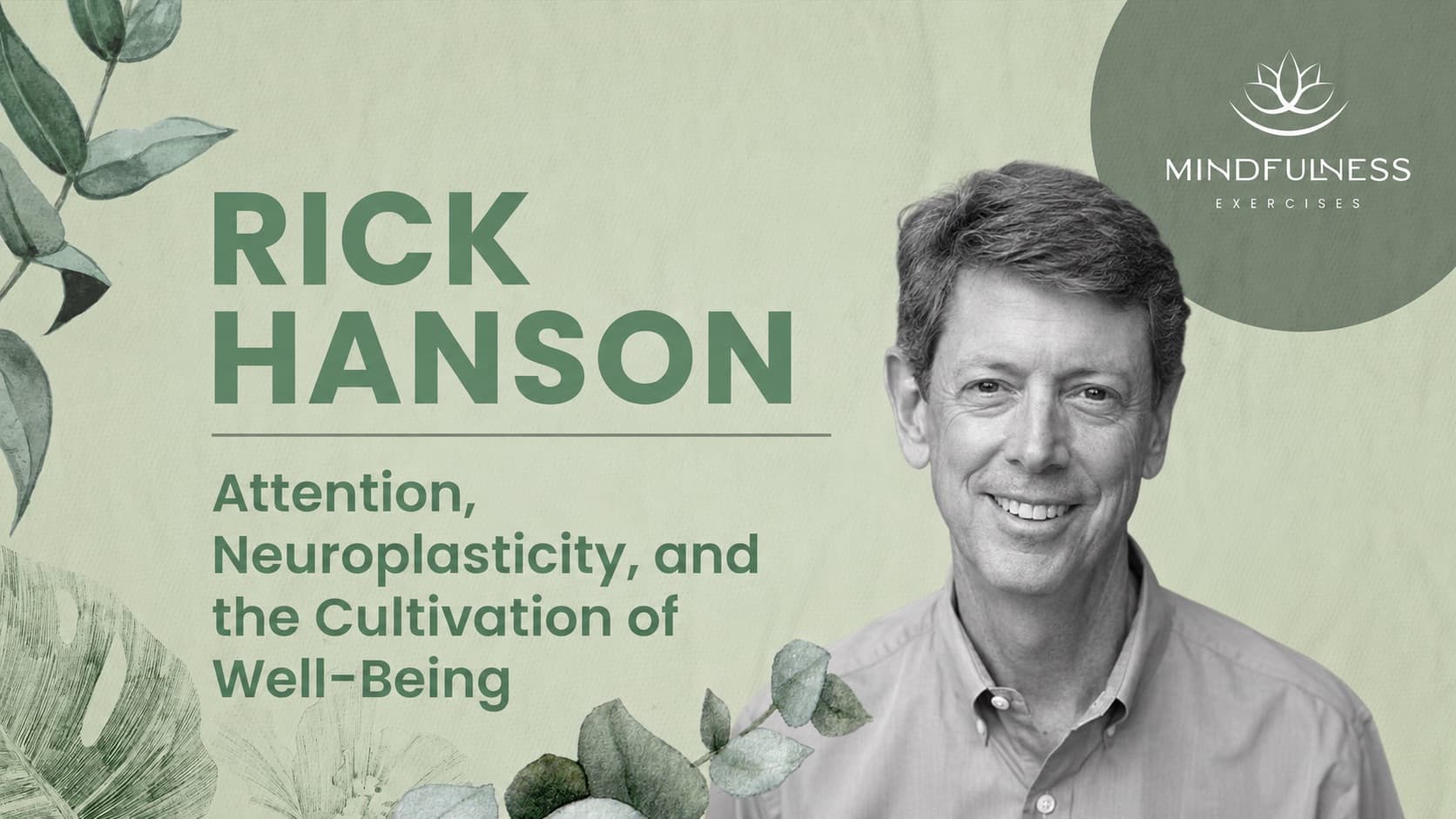
Attention, Neuroplasticity, and the Cultivation of Well-Being
Default mode network, interoception, and the insula; positive neuroplasticity and how repeated mental states convert into lasting traits.
Learning objectives
- Describe how mindfulness practice reduces activity in brain regions associated with mind-wandering, rumination, and self-focused thinking, including the default mode network.
- Explain the process of positive neuroplasticity, including how deliberately cultivating beneficial mental states through repeated practice has been linked to lasting changes in neural structure and function through state-to-trait learning.
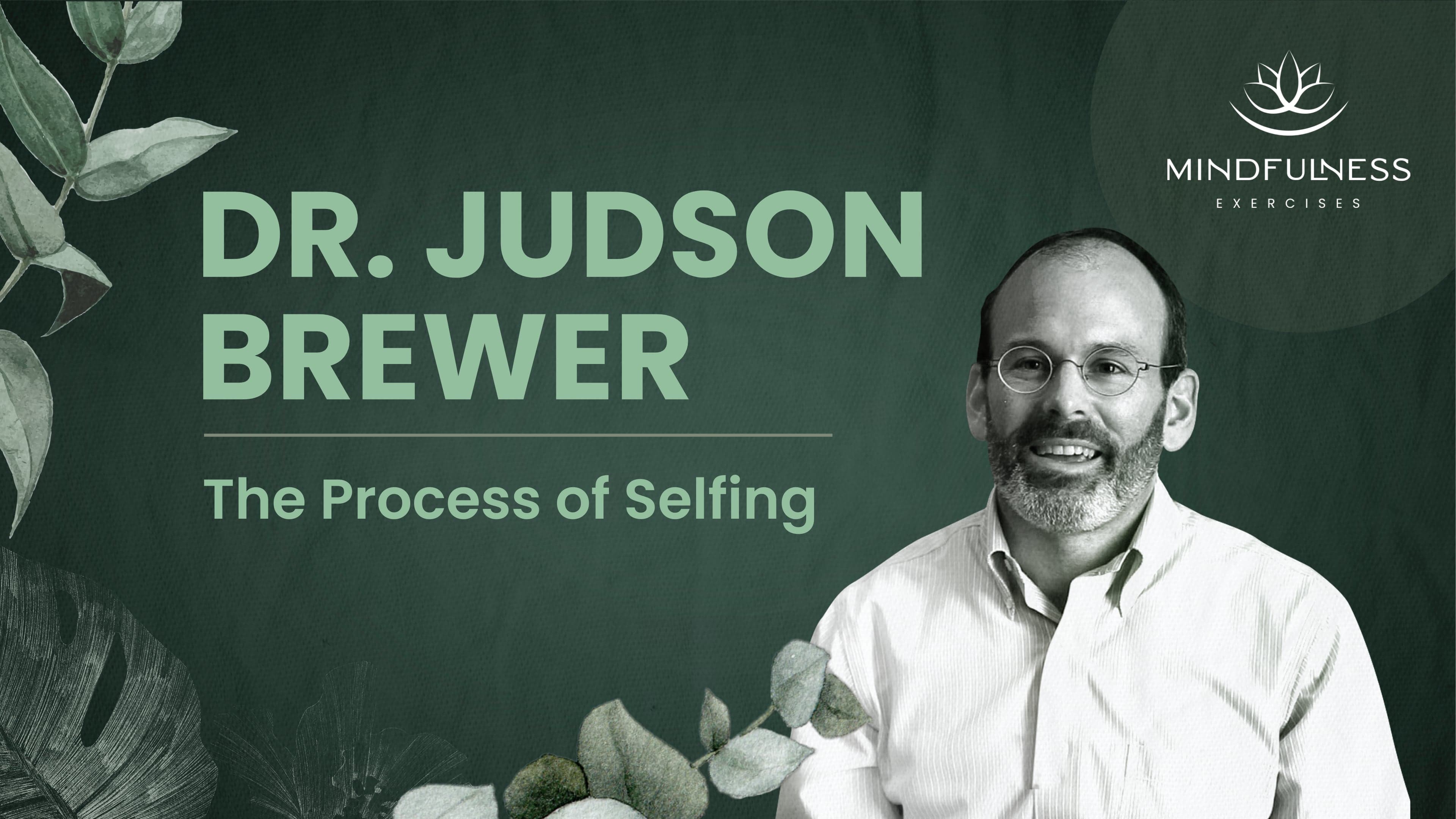
The Process of Selfing: Neuroscience, Mindfulness, and the Construction of Identity
fMRI and real-time neurofeedback findings on self-referential processing; dependent origination and open/closed experiential states.
Learning objectives
- Describe the current understanding on neurological mechanisms by which the brain constructs and maintains a sense of self — including the roles of the DMN, mPFC, and PCC — and explain how mindfulness practice can reduce activation in these self-referential networks.
- Apply the framework of dependent origination and open/closed experiential states to identify how craving, clinging, and behavioral reinforcement contribute to habitual identity formation in clinical and educational contexts.
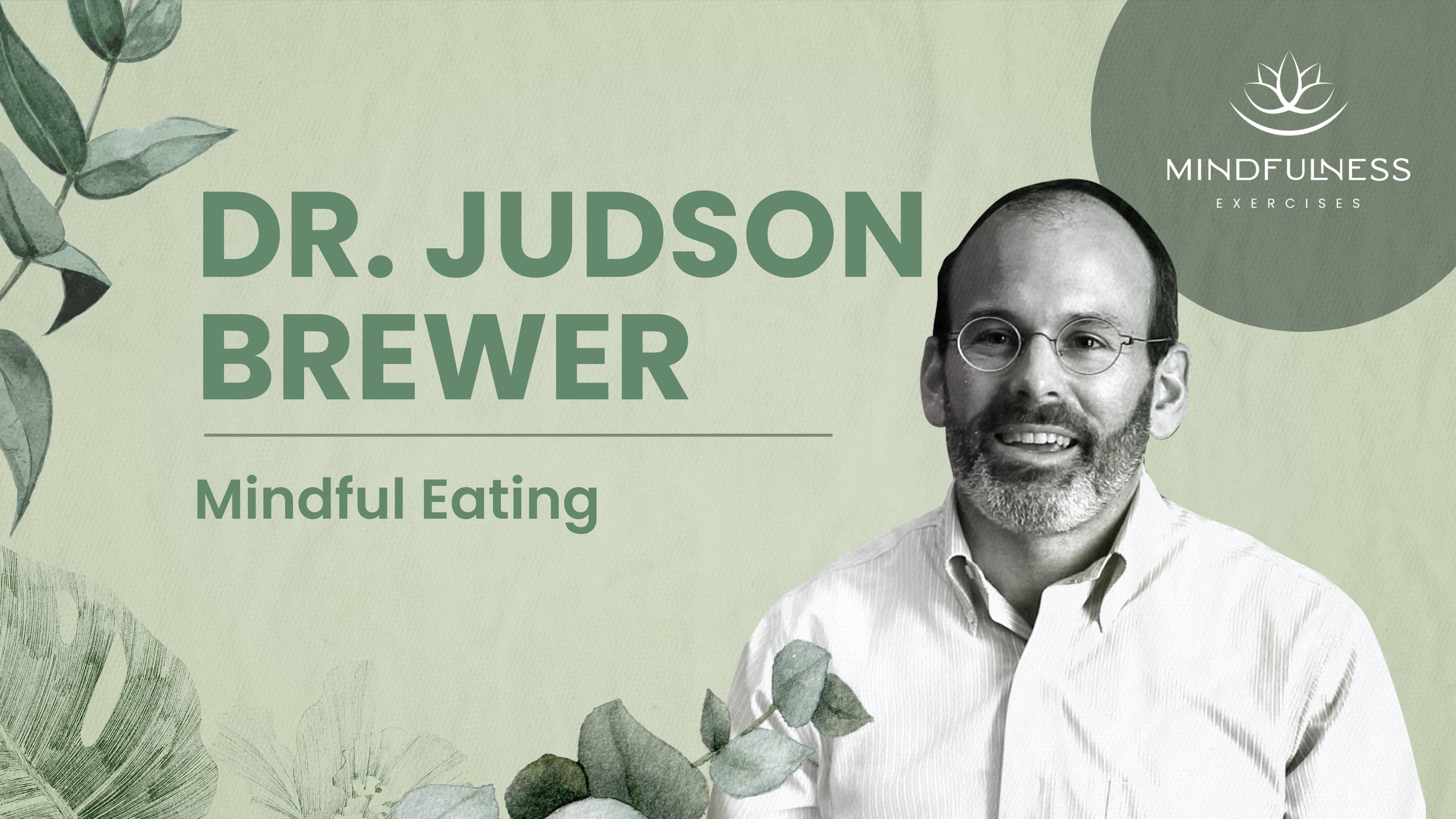
Mindful Eating: Neuroscience, Habit Formation, and Awareness-Based Interventions
Homeostatic vs. hedonic hunger, the dopamine reward loop, and a three-step framework for working with eating habits without relying on willpower.
Learning objectives
- Explain the neuroscience of eating behavior, including the distinction between homeostatic and hedonic hunger, the role of dopamine posited in reinforcement learning, and why willpower-based approaches are often found to be ineffective.
- Apply a three-step awareness-based framework for addressing eating habits: mapping habit loops, updating reward value through mindful attention, and cultivating curiosity as an alternative to reactive eating.
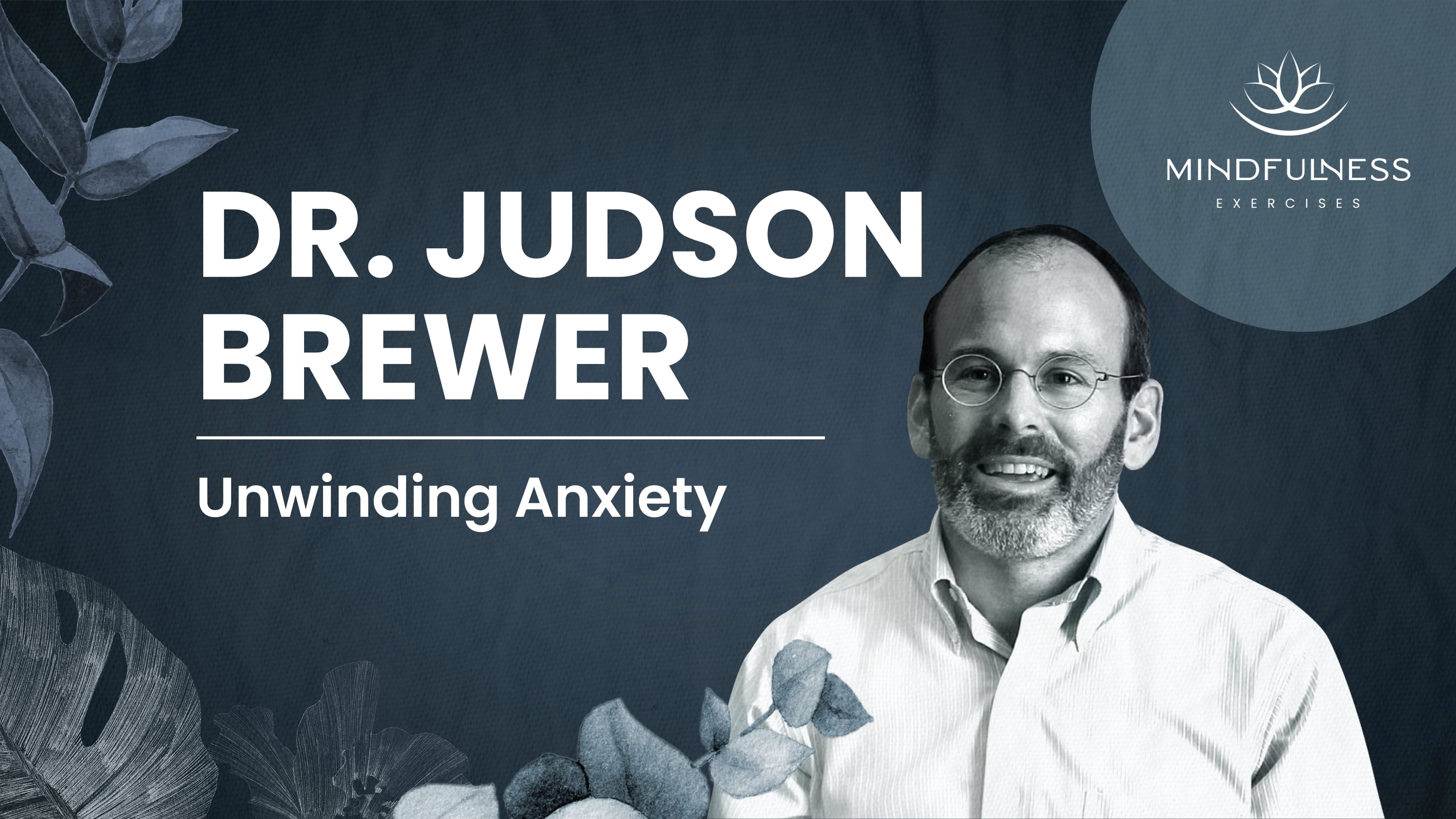
Unwinding Anxiety: Habit Loops, Reward-Based Learning, and Mindfulness-Based Intervention
Anxiety as a habit loop; the Rescorla-Wagner prediction error model; cultivating curiosity and kind awareness as a 'bigger, better offer.'
Learning objectives
- Explain how anxiety operates as a habit loop through reward-based learning mechanisms in the brain.
- Apply a three-step awareness-based framework for working with anxiety in professional practice.
What you receive
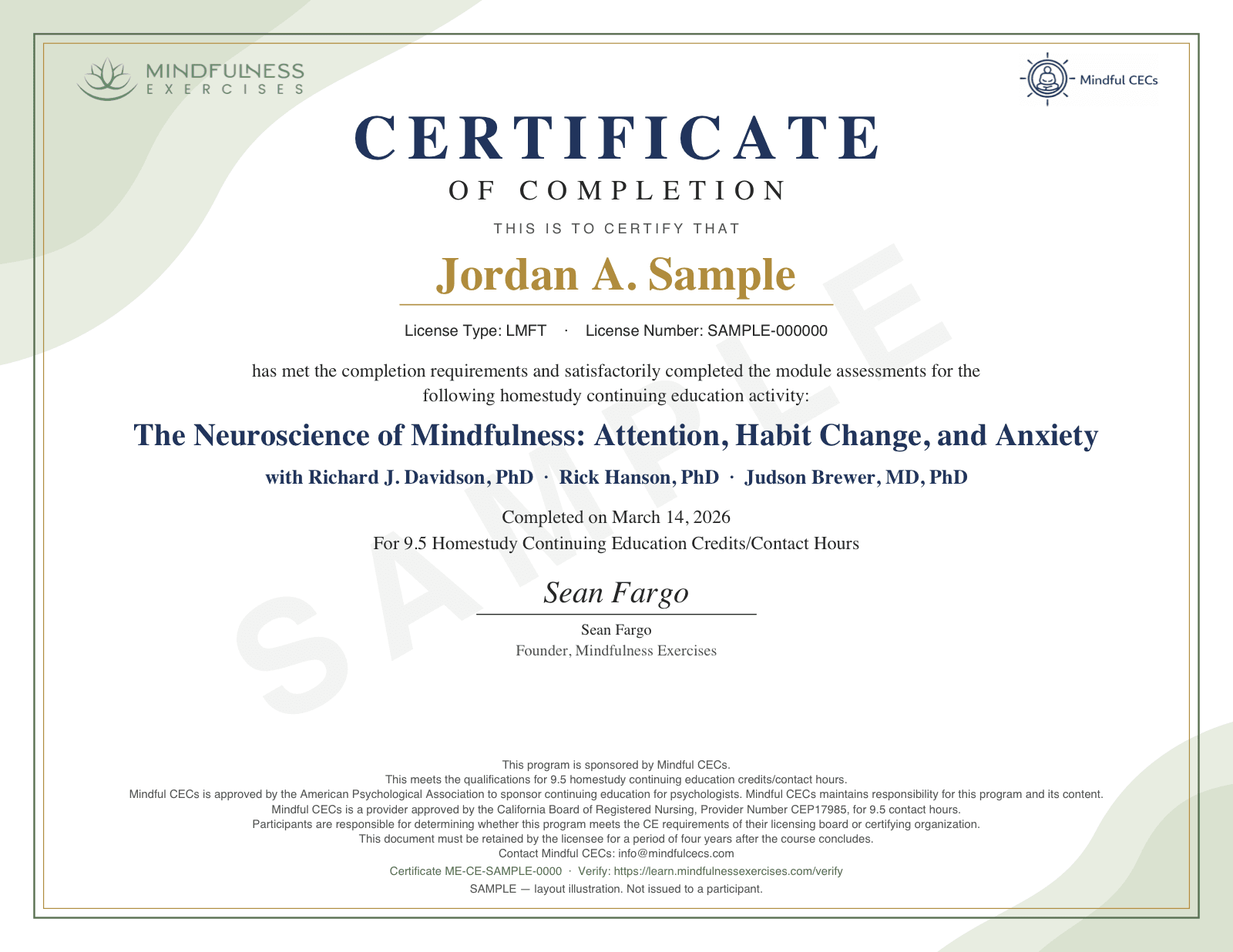
Your certificate is issued the day you finish
Complete all modules and pass each assessment, and your certificate is generated immediately — with your name, license type, the exact program title, the 9.5 CE contact hours, and the Mindful CECs sponsor statement your board looks for. It stays in your account, so a re-download years from now takes one click.
No waiting on a batch email, no PDF to chase down at renewal time.
“I am always grateful to work with Sean Fargo. I find him an unusual combination of great emotional intelligence and the diligence and perseverance to get any job done. His caring and kindness are exemplary, as is his clarity and awareness.”
 Sharon SalzbergWorld-renowned mindfulness meditation teacher
Real continuing education continues the practice — not just the credential.
Your instructors
Richard J. Davidson
PhDProfile & practicesRick Hanson
PhDProfile & practicesJudson Brewer
MD, PhDProfile & practices
Full instructor credentials and biographies are included with each module inside the program, and on the CE information page.
Questions clinicians ask
Will these CE hours count toward my license renewal?
Mindful CECs is approved by the American Psychological Association to sponsor continuing education for psychologists. Mindful CECs maintains responsibility for this program and its content. Provider approved by the California Board of Registered Nursing, Provider Number CEP17985, for 9.5 contact hours. Participants are responsible for determining whether this program meets the CE requirements of their licensing board or certifying organization.
Is this live or recorded?
Self-paced homestudy (asynchronous recorded video). Online at learn.mindfulnessexercises.com — begin any time; there are no live session dates.
How long do I have to finish it?
There is no deadline. Registration is open year-round, access begins immediately after checkout, and your access does not expire — you can work through the modules over a weekend or across several months.
How and when do I get my certificate?
Completion requires watching all module videos and passing each module assessment with a score of at least 75%. Up to 3 attempts are allowed per assessment. A course evaluation is requested from all participants. Certificates of completion are issued immediately upon completion and stored in your account.
What does Pathway I cost, and what if it isn't the right fit?
Pathway I is $179 — one payment, roughly $19 per CE hour, with no subscription. All four pathways together are $497 for 37.5 CE contact hours, which saves $227 versus enrolling separately. Because your CE certificate is issued the moment you complete a pathway, enrollments are non-refundable. If a pathway turns out not to be the right fit, contact us before you complete it and we will switch you to a different pathway.
Do I need to be licensed to enroll?
This intermediate-level program is designed for licensed and license-eligible mental health and healthcare professionals, including psychologists, social workers (LCSW, LSW), counselors (LPC, LCPC, LMHC), marriage and family therapists, nurses (RN, NP), and other healthcare professionals seeking continuing education in the neuroscience of mindfulness, habit change, and well-being. Enrollment is not restricted — anyone may take the program — but CE contact hours are relevant to licensed and license-eligible professionals.
Pathway I
Enroll in Pathway I
The Neuroscience of Mindfulness: Attention, Habit Change, and Anxiety
$179 · 9.5 CE contact hours · ≈ $19 per CE hour
Instant access · Lifetime · Certificate issued the day you finish
Continuing education details
- Continuing Education is sponsored by Mindful CECs.
- Mindful CECs is approved by the American Psychological Association to sponsor continuing education for psychologists. Mindful CECs maintains responsibility for this program and its content.
- Provider approved by the California Board of Registered Nursing, Provider Number CEP17985, for 9.5 contact hours.
- Potential Conflict of Interest Statement: These instructors may have authored publications relevant to the subjects covered in this course, and may teach additional programs. The instructors might reference these publications and programs during the course, and the instructor may receive financial compensation if participants choose to purchase them.
- Commercial Support: This program received no commercial support.
- Participants are responsible for determining whether this program meets the CE requirements of their licensing board or certifying organization.
- Because your CE certificate is issued the moment you complete a pathway, enrollments are non-refundable. If a pathway turns out not to be the right fit, contact us before you complete it and we will switch you to a different pathway. Registration is open year-round; access begins immediately after checkout.
- Questions, grievances, or ADA accommodation requests: info@mindfulcecs.com · support@mindfulnessexercises.com
The other pathways in this curriculum
- Pathway IIGuiding and Teaching Mindfulness: Ethics, Skill, and Adaptations for Adults and Children8 CE contact hours · 4 sessionsJames Baraz, MA · Donald Rothberg, PhD · Susan Kaiser Greenland, JD · Rick Hanson, PhD$149
- Pathway IIIWorking with Shame and Grief: Self-Compassion and Emotional Resilience in Clinical Practice8.5 CE contact hours · 4 sessionsChristopher Germer, PhD · Francis Weller, MFT · Myra Walden, MA · Bob Wentworth, PhD · Fiona Brandon, MPS, MA, LMFT$169
- Pathway IVTrauma-Sensitive Mindfulness and Clinical Safety: Adverse Effects, Serious Illness, and Chronic Pain11.5 CE contact hours · 6 sessionsWilloughby Britton, PhD · David Treleaven, PhD · Susan Bauer-Wu, PhD, RN · Vidyamala Burch, OBE · Oren Jay Sofer$227
Taking all four? The complete bundle covers 37.5 CE contact hours and saves $227 versus enrolling separately.