This mindfulness worksheet is a simple visualization of something you wish to experience, a way to practice visualization as mental rehearsal.
Psychology Today describes visualization as a cognitive tool that is often used in psychological practice to mentally rehearse an action or to reach a state of relaxation. Picturing what you wish to experience may help you settle into a helpful mindset and think through how you might act on it. The worksheet also notes that the brain responds to vivid imagination in some of the same ways it responds to real events. When we watch a scary movie, for example, the heart beats faster and breathing quickens even though we know we are safe. The practice invites you to notice this link between mind and body in your own experience.
A note from Sean
I wouldn’t say visualization is part of mindfulness. With mindfulness we sense what is already here. With visualization we consciously create an experience. That said, you can bring mindfulness to a visualization, noticing how it feels moment to moment. That is what step 3 below asks of you.
Try this today. Pick one activity you love, such as walking in the woods or cooking. Set a timer for two minutes and see yourself doing it. When it rings, take three silent breaths. Notice what your body is doing: the breath, the belly, the face.
Keep going: Hand Warming Visualization and Visualizing Your Day As You Wake Up.
This suits anyone who likes to picture things before they happen. If the image stirs up anxiety or sadness, go gently and come back to your breath or your feet. Stop when you need to.
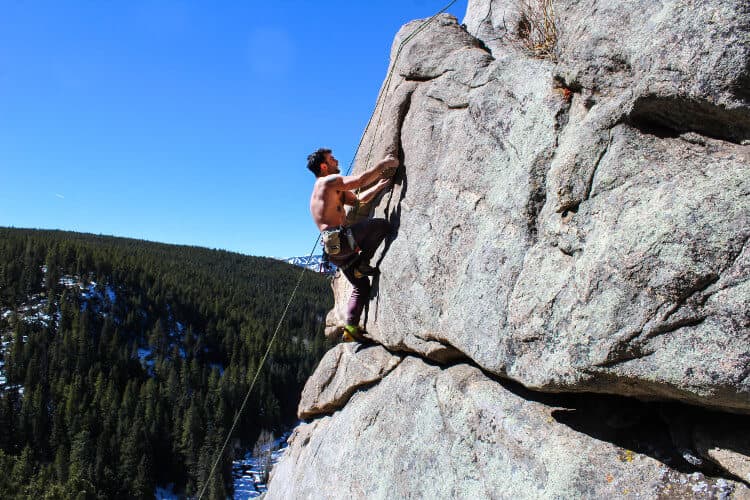
- Think of something you enjoy doing that makes you feel happy, alive, and free, such as dancing, running, painting, singing, hiking, being in nature, cooking, or swimming. Settle on one activity that brings you peace, energy, or contentment.
- Set a timer for two to three minutes and visualize yourself doing it. Fill in the details: what you look like, how your body feels and moves, and what your surroundings are like.
- When the timer goes off, take a few silent moments to notice how your mind and body feel, and how the images have influenced your present state.
The reflection questions ask how the breath moved while you practiced, how the body felt from start to finish, whether your mood or thoughts shifted, and how you might use the practice in the future.