Listen now


There are moments in life that feel quietly good—sunlight through a window, a kind message from a friend, the comfort of a familiar routine. Yet so often, these moments pass unnoticed.
In mindfulness practice, we learn that gratitude and gladness are not things we must chase—they are qualities we can gently cultivate by learning how to pay attention.
This practice is an invitation to reconnect with what is already here, to feel it more fully, and to let it nourish you.
Sponsored by our Mindfulness Meditation Teacher Certification Program
certify.mindfulnessexercises.com
Episode Overview:
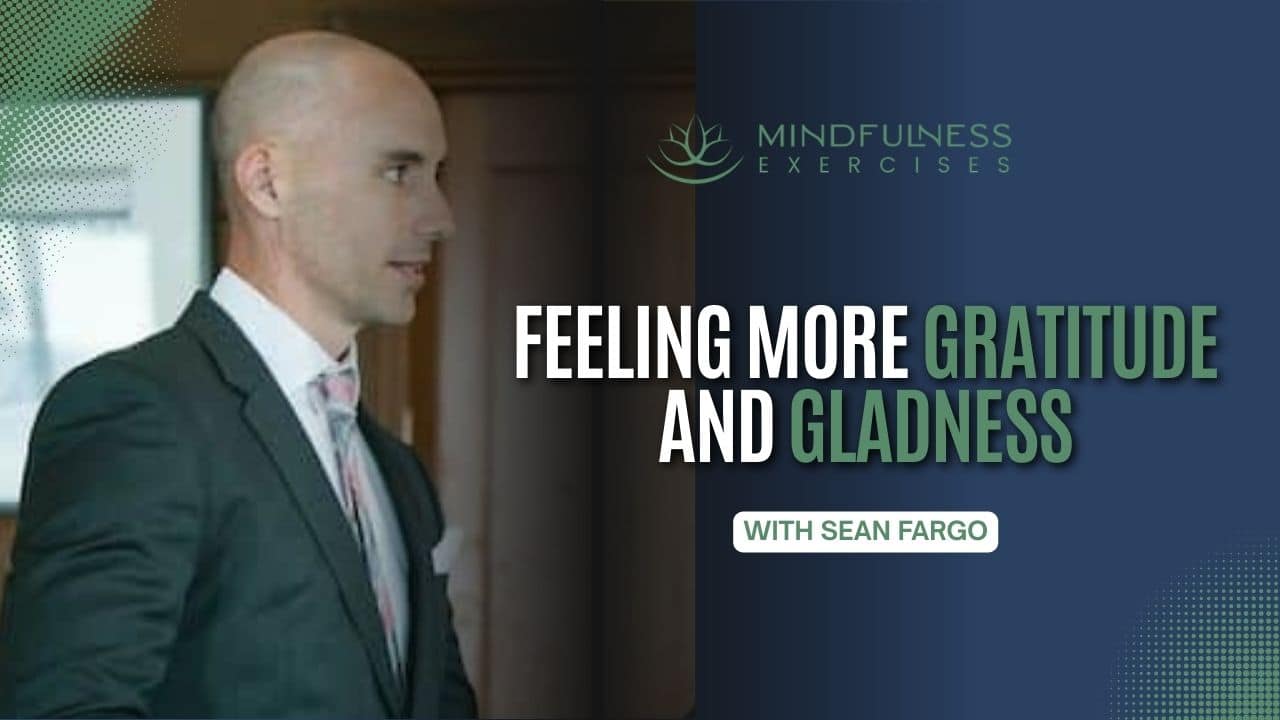
In this episode, we explore how to intentionally cultivate gratitude and gladness through mindfulness. You’ll be guided through a short, accessible practice and learn how these emotional states can improve mood, increase life satisfaction, and strengthen resilience.
In this episode, we cover:
- What gratitude and gladness really mean (beyond clichés)
- Why these emotions are powerful for mental well-being
- How to notice natural moments of appreciation throughout your day
- Simple cues to help you feel thankful in real time
- Ways to deepen and embody gratitude through the body and memory
- How to hold gratitude alongside disappointment without denial
- A short integration practice to build equanimity
- Practical tips to help positive experiences “stick”
Show Notes:
Understanding Gratitude and Gladness
Gratitude is often described as appreciation for what we have received. Gladness, on the other hand, is the felt sense of enjoyment or contentment in the present moment.
Together, they form a powerful emotional pairing:
- Gratitude roots us in appreciation
- Gladness allows us to feel and enjoy that appreciation
These states aren’t about forcing positivity or ignoring hardship. Instead, they help us balance our awareness—so we’re not only focused on what’s wrong, but also open to what’s quietly going right.
Why Gratitude and Gladness Matter
When practiced regularly, gratitude and gladness can:
- Lift mood and reduce stress
- Increase overall life satisfaction
- Strengthen emotional resilience
- Help regulate the nervous system
- Shift attention away from chronic negativity bias
Our minds are naturally wired to scan for problems. This helped our ancestors survive—but today, it often leaves us overlooking the good.
Mindfulness helps correct this imbalance.
A Simple Mindfulness Practice for Gratitude and Gladness
Take a few moments now to try this gentle practice:
Sit comfortably and bring your attention to your breath. Let your body soften.
2. Notice Something Good
Bring to mind something simple that feels okay, pleasant, or supportive.
It could be:
- A warm drink
- A recent kind interaction
- A sense of safety in this moment
Don’t overthink it—small is enough.
3. Feel It in the Body
Where do you notice this in your body?
Perhaps:
- Warmth in the chest
- Softness in the face
- A subtle ease in the shoulders
Let your attention rest there.
4. Enrich the Experience
Gently deepen the feeling by:
- Staying with it for a few breaths
- Recalling details of the moment
- Letting the feeling spread
This step is key—you're helping the experience “land” more fully.
5. Name It
Quietly label the feeling:
- “Gratitude”
- “Gladness”
- “Appreciation”
This strengthens awareness and reinforces the emotional state.
Noticing Natural Moments Throughout the Day
Gratitude doesn’t have to be scheduled—it’s already happening.
Start noticing:
- A moment of relief when you sit down
- Enjoyment of a meal
- A sense of completion after finishing a task
These micro-moments are opportunities.
The practice is simple:
Notice → Pause → Feel → Stay
Creating Gentle Cues for Gratitude
Sometimes we need reminders. You can create small cues in your day:
- When you open a door → pause and notice something good
- Before eating → take one breath of appreciation
- When checking your phone → recall one thing you're grateful for
These cues help gratitude become part of your rhythm—not another task.
Letting the Good Sink In
One of the most powerful parts of this practice is learning to stay with positive experiences.
Instead of letting them pass quickly, try:
- Lingering for 10–20 seconds
- Feeling the experience in your body
- Allowing it to register emotionally
This helps “wire in” the experience, making it more accessible over time.
Balancing Gratitude with Real Life
Gratitude is not about denying pain or pretending everything is okay.
You can hold both:
- Appreciation for what is present
- Awareness of what is difficult
For example:
“This is hard… and I’m grateful for the support I do have.”
This balance creates emotional honesty and resilience.
A Short Integration Practice for Equanimity
To close, try this reflection:
- Notice something you appreciate
- Notice something that feels challenging
- Allow both to exist without pushing either away
Take a breath and sense the steadiness underneath both experiences.
This is equanimity—the ability to remain present with life as it is.
Bringing Gratitude Into Daily Life
You don’t need long practices to feel the benefits.
Start with:
- One mindful moment per day
- One pause to notice something good
- One breath to feel appreciation
Over time, these small moments accumulate—reshaping how you experience your life.
Final Reflection
Gratitude and gladness are not rare states reserved for special moments. They are always available, quietly waiting in the background of your experience.
The more you notice them, the more they grow.
And in that growth, you may find something simple yet profound:
A deeper sense that, even in the midst of everything, there is still something here to appreciate.