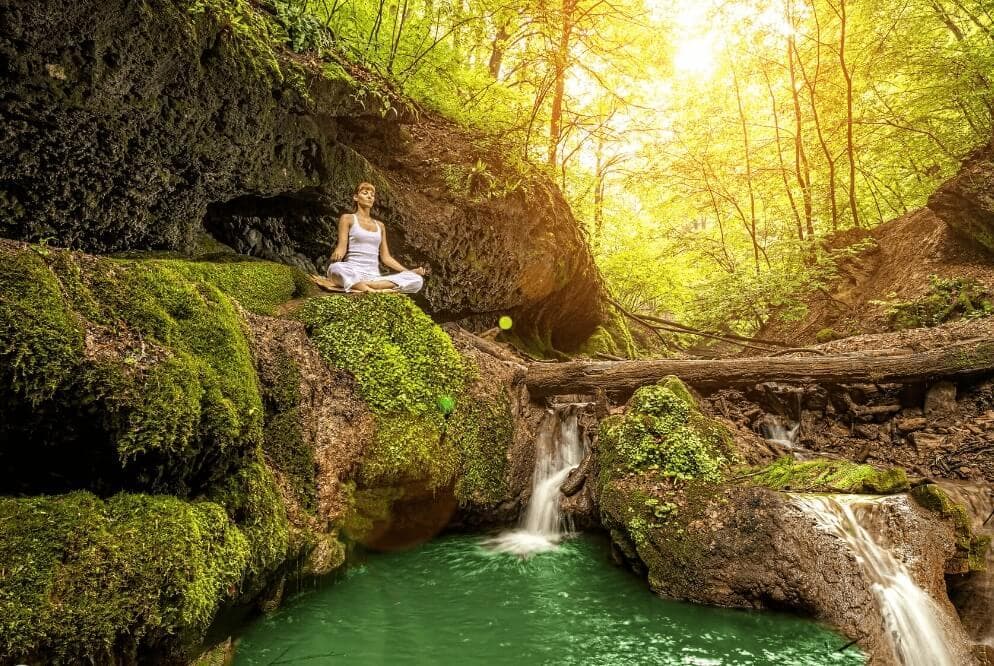
Have you ever found yourself caught up in the wonder of nature? Some trees are thousands of years old, and we depend on trees for our survival. They also have a lot to teach us, if we pay attention.
The Nature Walks worksheet describes a slow walk in a quiet natural area, whether that is a national park, a patch of woods, or a city park. It suggests that time in the natural world gives an overstimulated mind a chance to rest, and notes that some people find nature walks a helpful supplement to other support for stress, anxiety, ADHD, or addiction. A walk complements professional care rather than replacing it.
You might try it this way:
- Wear comfortable clothes and walking shoes that protect you from sun and brambles.
- Choose a quiet, peaceful place. An intensive hike is not the aim, since a hard workout can disturb the calm you are looking for.
- Walk slowly, with relaxed alertness, letting the setting hold your attention gently.
- Breathe deeply and comfortably. Take in the greenery, the sway of plants in the wind, and the birdsong, without overthinking it.
- If it feels right, offer a quiet thank-you for the beauty around you.
- Walk for as long as you like.
The worksheet adds a few cautions. In wild terrain, take the precautions any sensible hiker would, tell someone where you are going, bring water, give wildlife a wide berth, avoid long walks in extreme heat or cold, and do not walk alone after dark.
It also notes that people have long retreated into nature to clear the mind, from Henry David Thoreau at Walden Pond to John Muir, who encouraged city dwellers to spend time outdoors, and the Buddha's teaching on the beauty of the natural world as a source of joy.