Establishing a mindfulness routine is not as straightforward as it sounds. In theory, it seems easy enough: sit down and practice mindfulness meditation for some set period of time each day. Simple.
The challenge, however, is that life tends to get in the way. Whether it’s our restless mind that doesn’t want to practice, a child not feeling well, or a late night that’s made sitting for practice seemingly impossible, obstacles tend to present themselves that make establishing a daily mindfulness routine less than straightforward. However, it’s not a mission impossible.
By learning simple daily mindfulness exercises that are easy to incorporate into everyday life and by being aware of the challenges we might come to face, we can create a plan for ourselves that works.
Listen to the recordings
Simply Stopping
What Makes Daily Practice Difficult?
We’ve touched on the challenges briefly: in one way or another, life tends to get in the way. Fluctuating energy levels, moods, resistant thoughts, and outer circumstances are just some of the factors that make daily mindfulness practice difficult. Being aware of these obstacles can help us to recognize them when they arise, empowering us to overcome them where we can. Some ‘life happenings’ will require our immediate attention (such as a sick child) while others are things we can work with during practice (such as fluctuating moods).
If you are wondering, ‘How can I practice mindfulness every day when I’m so busy/too tired/not in the mood’, the first step is to make note (perhaps on paper) of all the obstacles you face.
- Is childcare the primary concern?
- Is it fear of committing to a daily practice?’
- Is it uncertainty about how to practice in the first place?
- Is it the chaos and busyness of life?

“Fear is a natural reaction to moving closer to the truth.”
– Pema Chödrön–
There are likely to be a number of difficulties you face when starting a routine mindfulness practice. Some are internal barriers we can work with while others will dictate how we schedule mindfulness into our days and what resources we will need for support. For instance, if you have young children, this will understandably change when you practice. If you’re not sure where to start, perhaps doing some research to discover your favorite mindfulness exercises will help encourage you.
Once you’ve established what your obstacles are (disregarding the unexpected events of life that arise), it becomes possible to formulate a plan that works. This will look differently for different people, so honor where you’re at and what truly makes sense for you given your current lifestyle.
How to Create a Daily Mindfulness Routine
Creating a daily mindfulness routine involves exploring what works best for you (including types of practice, length of practice, and time of day) and setting an achievable goal for yourself. This does not need to be a strict goal. Depending on what motivates you, you might welcome more flexibility into your daily routine or plan to stick to a specific schedule each day. The choice is up to you.
Some tips to keep in mind as you plan your daily mindfulness routine include:
- Remember that mindfulness practice does not only equate to seated formal meditation. For instance, you can practice mindfulness when you first wake up, taking five minutes to notice your breath and the world around you. Alternatively, your daily practice might be mindful eating for one meal a day or filling out a gratitude journal for fifteen minutes each night.
- Allow life to happen. While it probably doesn’t help to make excuses for ourselves on a regular basis, things happen that we don’t anticipate. It is okay to let your practice be flexible, adjusting the length of your practice or the time of practice as needed. If you skip a day, don’t sweat it. Remain patient, curious, and compassionate towards yourself. Recommit the following day’
- Get to know which daily mindfulness exercises work best for you. For some, mindfulness of the breath is enough and something to come back to each day. Others might like some variety, practicing anything from metta meditation to mantra meditation to a daily body scan
- Consider setting a short goal for yourself and expanding from there. For instance, you might make a plan to meditate for 15 minutes each morning for 15 days. Renew the plan when those 15 days are up, adjusting the length of practice as suits you.
Once you know what works for you, make a plan of it, write it down, and place it on your fridge or the mirror in your bathroom. Alternatively, you might tell a friend or loved one about your new mindfulness routine. This will help you to commit to your new plan.
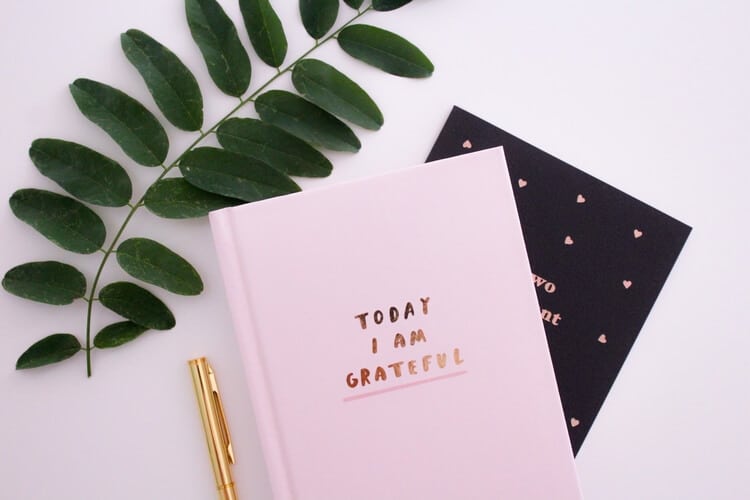
3 Daily Mindfulness Exercises for Everyday Practice
If you are new to mindfulness or new to a daily routine of it, there are many simple meditation techniques that can be easily interwoven into your daily life. Consider the following, using what works best for you or exploring the many other mindfulness exercises available.
1. Come to your senses for a few minutes each morning.
When you wake up, take a moment’s pause before getting up and before turning to your phone or other device to become aware of your five senses. What do you see, hear, feel, taste, and smell? Use this practice to ground you into presence each and every morning.
Check out our ‘Awareness of the Five Senses’ mindfulness exercise.
2. Take five minute pauses a few times throughout your day.
Your practice can also be split up into small increments, practiced throughout the day. Consider taking five minute breathing breaks as many times as feels supportive and motivating for you.
3. Mindfully move your body before bed for ten minutes each night.
Before crawling into bed, take a moment to come into your body. Stretch, practice yoga, dance, or move in any other way that feels intuitive and freeing for you. In this way, you’ll be practicing mindfulness through movement.
These three simple daily mindfulness exercises are just a taste of the different ways mindfulness can be explored. To gain more inspiration, check out our full collection of free mindfulness exercises.
Key Takeaways
- When establishing a new routine, become aware of any obstacles you might face. Awareness enhances our ability to navigate these difficulties.
- Daily mindfulness practice does not need to be formal. Consider mindful eating, mindful journaling, gratitude practice, or any other less formal practice that suits you..
- Allow for life to happen, remaining flexible, patient, compassionate, and curious with yourself.
- Get to know what works best for you, whether that be sticking with one type of practice or exploring a variety depending on what draws you in any moment.
- Set an actionable and achievable goal for yourself, such as 15 minute practice for 15 days. After those 15 days, reassess and set a new goal for yourself..