
TuneIn
Annoyance, frustration and anger can be challenging emotions to work with. We often judge ourselves for feeling frustrated, equating this emotion with negativity or perhaps thinking it makes us a ‘bad person’. Other times, we might feel so righteous about our frustration that we hold to it tightly.
By exploring how frustration feels in the body, we can practice being present as it arises, without avoiding or grasping at it. In the space this creates, we can invite in self-compassion and understanding. These emotions are not good or bad, right or wrong; they are part of being human.
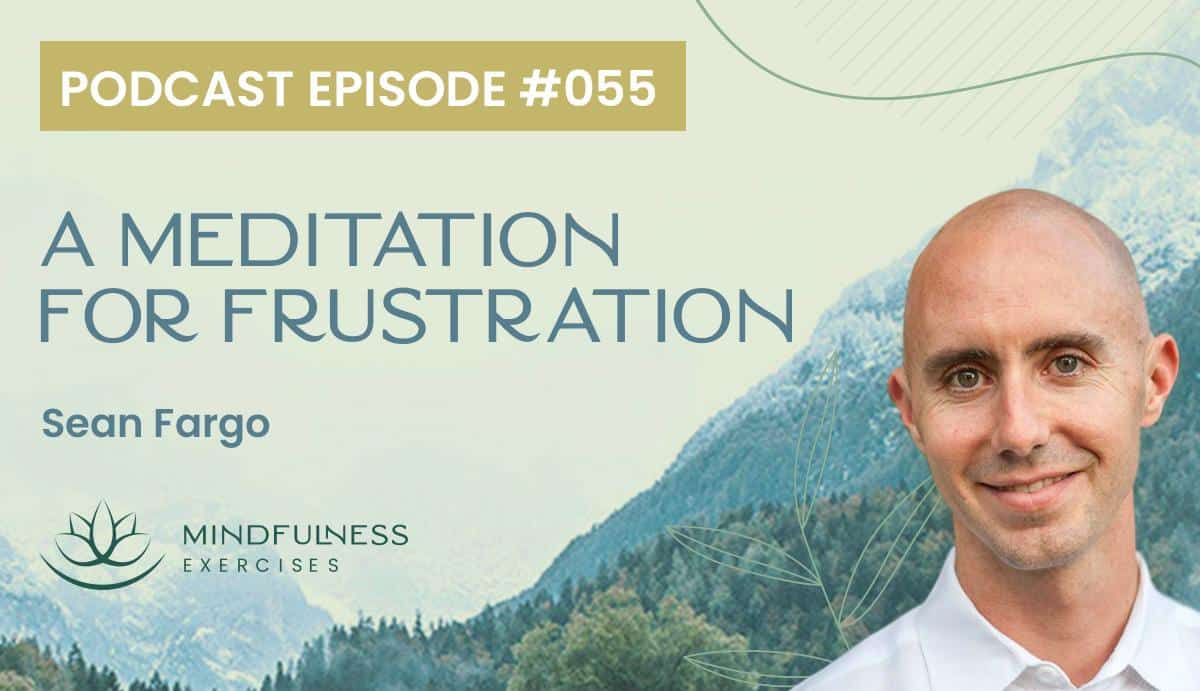
In this guided meditation, Mindfulness Exercises founder Sean Fargo asks us to recall a past moment of slight annoyance or mild frustration. We stay with the sensation, observe it, and let it move as it wants to.
Please listen in a safe, quiet place where you can be relatively free from distraction. Find a posture that balances comfort with alertness, whether standing, seated, or lying down. May this meditation be of benefit to you in your practice.
Please remember that mindfulness practice is not a replacement for therapy. Listen with care and self-compassion and practice within your window of tolerance. If this, or any other episode, triggers overwhelming, uncomfortable feelings, contact your healthcare provider.
Sponsored by the Mindfulness Meditation Teacher Certification MindfulnessExercises.com/Certification
When recalling a moment of frustration, it’s important to practice within your window of tolerance, choosing a workable memory. The aim is to gently and kindly expand our capacity to be present with discomfort.
When working with a past memory, the purpose is to shed light on how our own minds contribute to our pain and suffering. Self-judgment and criticism of past behavior are not part of it. Most of us are well-practiced in those already!
There is nothing wrong or bad about the experience of frustration; it’s a universal human emotion. In meditation, however, we might see how our reactivity to emotion contributes to unnecessary harm, whether to ourselves or others.
Spending time with the felt sensation of annoyance or frustration invites us to extend ourselves (and others) more compassion. In episode #045, Easing into Compassion, Sean reminds us that the act of compassion requires the presence of suffering. Any moment of discomfort then becomes an opportunity to give ourselves and others more grace.
To explore more ways to work with challenging emotions such as annoyance, frustration and anger, visit the following free mindfulness resources:
- Blog: Mindfulness of Emotions – Signs and Meanings
- Blog: How to Be Mindful of Your Emotions
- Blog: Three Mindfulness Exercises for Anger
- Meditation Script: Gratitude When You’ve Got Attitude: Guided Script
- Meditation Script: Making Room for Pain or Discomfort
- Mindfulness Worksheet: Transforming Anger

About Sean Fargo:
Sean Fargo is a former Buddhist monk who founded Mindfulness Exercises and leads the Mindfulness Meditation Teacher Certification.