Speaker 1 · 0:00Welcome to the Mindfulness Exercises podcast. May this be a source of inspiration and motivation in your mindfulness practice and teachings.
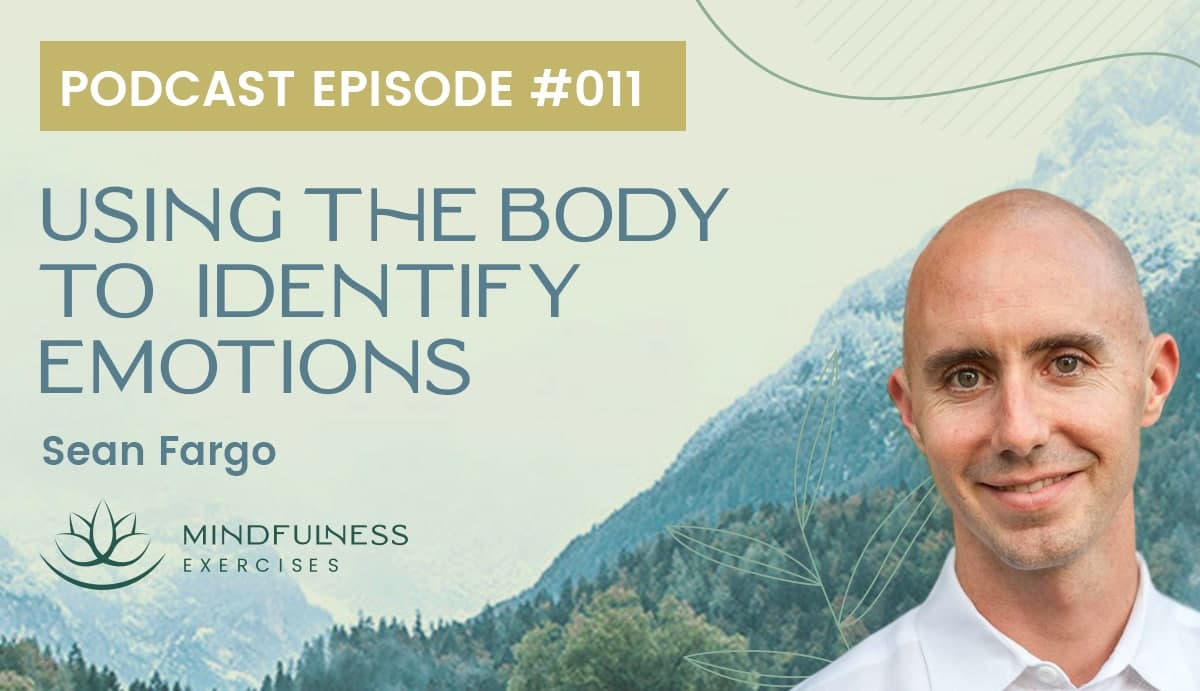
Speaker 2 · 0:15I think fine-tuning our awareness towards the different types of physical sensations can be very helpful for discerning whether it's emotional or just pain or something very just physical. So when we're meditating, sometimes it's uncertain what the sensations are until we investigate it. And sometimes we won't know if what we're sensing has an emotional energy to it or not until we explore it. You know, certain sensations will be obvious. If we're feeling a coarse sense of anger, coarse sense of sadness, joy, you know, deep gratitude, we can sense into those feelings and notice that they're sensations related to an emotion because we're in the midst of that emotion pretty obviously. Other times when we're sensing into just our body as we're sitting, we might notice sensations of digestion in the belly or just the sensations of our legs folded or our sit bones on the chair. So oftentimes it'll be obvious, but other times it will be more difficult to notice whether the sensations are just kind of everyday normal sensations of the body versus whether there's an emotion present that we're sensing into. Keep exploring that, exploring dryness versus wetness or moisteness, especially around the heart area and even the head, but getting a sense of tightness or tension versus feelings of expansion or spaciousness, or differentiating between pleasantness and unpleasantness without going into judgment territory of good or bad, but just kind of sticking with pleasantness versus unpleasantness. So playing around with sensing into different kinds of visceral sensations can be useful for getting a sense of whether the sensations are sort of emotionally associated versus just kind of common everyday sensations of the body. You know, oftentimes if we sense into an energy and we believe that it's sort of emotionally tied, oftentimes a lot of people will then kind of label the emotion and then start thinking about what they need to do to change it. And there's a place for that. And what I encourage people to do is to continually explore that emotion or the sensations of that emotion and stick with it. Because oftentimes what we'll find is that there's actually a deeper emotion underneath that. Can I be with that? One other thing I find helpful is to study like lists of emotions. And I like the lists with like subcategories where you know a lot of us know like five emotions or like seven emotions, but there's actually like many, many, many more than that. And so if we study the lists, we can get more of a nuanced sense of the subtle emotions that we may not be so familiar with. We may get them intellectually, but can we notice what they actually feel like? So I find that studying lists of emotions with subcategories can be very helpful to discern which emotion I'm feeling. And then oftentimes I will pinpoint which emotion that is and cross-reference it with a map of emotions and see if I can kind of feel into where that emotion is predominantly in the body, see if I can sense it and discern, you know, whether the sensations I'm feeling are emotionally associated versus just maybe soreness from the gym or something like that.
Speaker 1 · 7:16May each of us continue to find courage in our own way by sharing mindfulness with a deep sense of faith, knowing that seeds we plant will certainly someday bloom. To learn more about Sean's Mindfulness Meditation Teacher Training Program and the wisdom, support, and community that's available there, visit teach.mindfulness exercises.com.