Listen now


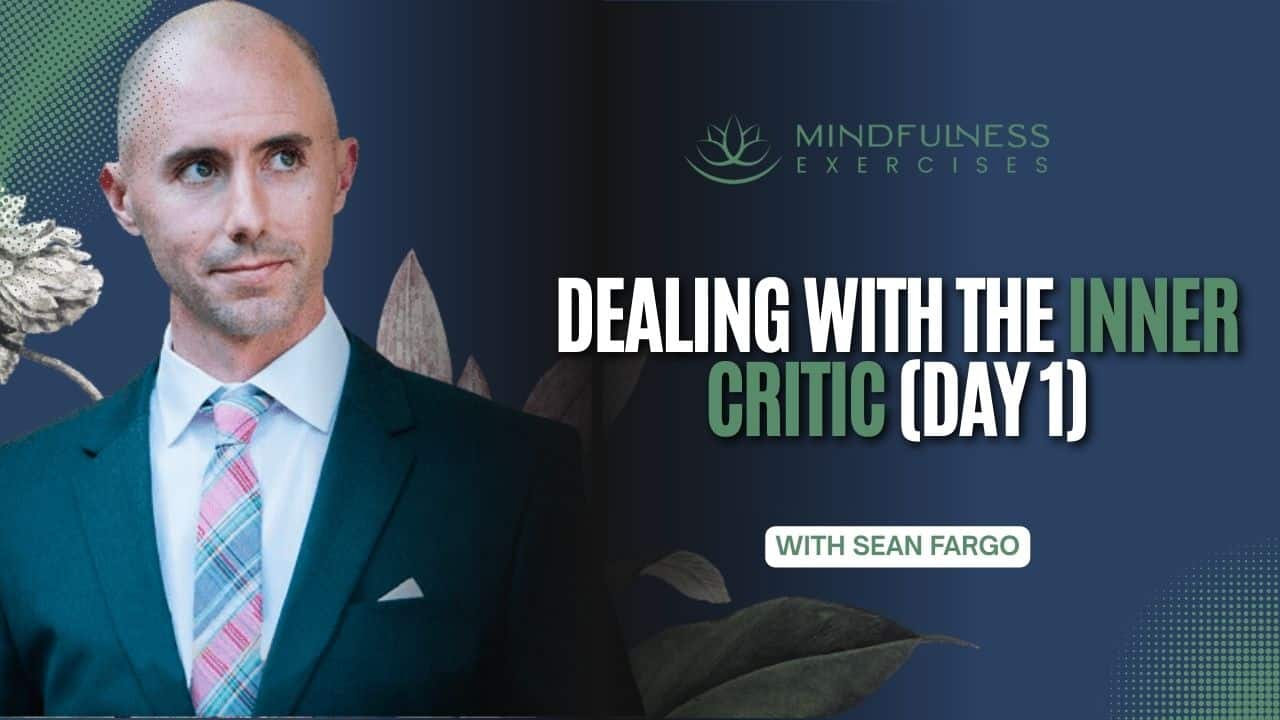
Ever notice how the harshest voice in the room lives in your own head?
It comments on your performance.
It questions your character.
It worries what others think of you.
And often, it speaks so quickly and convincingly that you don’t even realize you’re listening to it.
In this first day of our seven-day journey, we begin dealing with the inner critic not by fighting it — but by understanding it. Through mindfulness, we learn how to name this voice, recognize what it targets, and meet it with awareness instead of fear.
This isn’t about silencing self-criticism overnight. It’s about changing your relationship with it.
Sponsored by our Mindfulness Meditation Teacher Certification Program
MindfulnessExercises.com/Certify
Episode Overview:
In This Episode, You’ll Learn:
- Why the harshest criticism often comes from within
- The three identity targets of self-judgment: competence, worthiness, and acceptability
- A short mindfulness practice to identify your primary trigger
- How to respond skillfully based on what you discover
- Why grounding in the body prevents reactive spirals
Practice Prompt:
Set aside 5 minutes today. Ask the three identity questions and journal which one activates the strongest emotional or physical response.
Reflection Question:
When the inner critic speaks, what is it trying to protect you from?
Next Step:
Choose one small action aligned with your insight — skill-building, self-compassion, or authentic connection.
Show Notes:
Why Dealing With the Inner Critic Matters
The inner critic doesn’t just affect mood. It shapes decisions, relationships, productivity, and self-worth. Left unexamined, it can fuel:
- Perfectionism
- Shame spirals
- People-pleasing
- Avoidance
- Burnout
But when we bring mindfulness to self-judgment, something powerful happens. What once felt like truth begins to reveal itself as a pattern. And patterns can be observed. Questioned. Softened.
The first step in dealing with the inner critic is clarity.
The Three Identity Targets of the Inner Critic
Through years of mindfulness teaching and monastic practice, a simple framework emerges: the inner critic tends to attack three core identity areas.
When you know what it targets, you can recognize it faster and respond more skillfully.
1. Competence
“Am I capable?”
“Am I good enough at this?”
“What if I fail?”
This form of self-criticism shows up around performance, productivity, intelligence, and skill. It’s the voice that pushes for perfection and whispers that “good enough” isn’t safe.
2. Goodness & Worthiness of Care
“Am I a good person?”
“Do I deserve love?”
“What’s wrong with me?”
Here, the sting runs deeper. This isn’t about performance — it’s about inherent value. When triggered, it can activate shame, guilt, or feelings of unworthiness.
3. Acceptability & Likability
“Do people like me?”
“Do I belong?”
“What if they reject me?”
This target fuels people-pleasing, social anxiety, and over-accommodation. It scans for signs of exclusion and assumes disconnection is imminent.
A Simple Mindfulness Practice for Dealing With the Inner Critic
Rather than arguing with the critic, we begin by observing it.
Try this brief practice:
Step 1: Settle the Body
Sit comfortably.
Let your spine be upright but not rigid.
Feel your feet on the floor or your body supported by the chair.
Step 2: Soften the Breath
Allow your breath to slow naturally.
No need to control it.
Just feel the rise and fall.
Step 3: Ask Three Focused Questions
Gently bring these questions to mind, one at a time:
- Am I competent?
- Am I a good person or worthy of care?
- Am I acceptable or likable?
Pause after each question.
Notice:
- Does your body tighten?
- Does your stomach drop?
- Does your mind start defending or attacking?
You’re not trying to answer the question.
You’re noticing which one activates the strongest reaction.
That reaction is your compass.
Turning Insight Into Action
Awareness is powerful — but integration is what transforms.
Once you identify your primary trigger, you can respond intentionally.
If Competence Anxiety Is Activated
Take one concrete, grounded step toward skill-building.
Or practice defining a “good enough” boundary:
- Send the email without rereading it ten times.
- Submit the project when it meets clear standards — not imagined perfection.
Competence grows through action, not rumination.
If Worthiness Feels Tender
Shift toward self-compassion.
Place a hand over your heart.
Acknowledge the pain.
Use gentle phrases such as:
- “This is hard right now.”
- “May I be kind to myself.”
- “I am worthy of care.”
Rebuilding trust with yourself happens from the inside out.
If Acceptability Is the Hot Spot
Map your supportive relationships.
Who feels safe?
Who responds with warmth?
Practice small, honest bids for connection:
- Share something real instead of something impressive.
- Express a preference instead of defaulting to agreement.
- Ask for support instead of pretending you’re fine.
Belonging deepens through authenticity.
Mindfulness as the Anchor
Throughout this process, mindfulness remains the steady ground beneath your feet.
When self-criticism flares up:
- Return to the body.
- Feel the breath.
- Notice the sensations.
- Name the pattern.
Instead of reacting from habit, you create space to respond with clarity.
And that space changes everything.
This Is Just the Beginning
Dealing with the inner critic is not about eliminating it. It’s about transforming your relationship to it.
Today, you named the voice.You identified where it lands.You practiced observing instead of believing.
That alone begins to loosen its grip.
As you continue this seven-day journey, mark which identity area needs the most care. Tomorrow’s practice can then meet you exactly where you are.