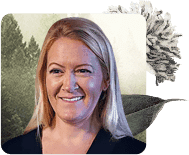
Mindfulness Teacher
Willoughby Britton
Researcher and clinician focused on meditation safety
- Meditation safety and adverse effects
- Contemplative neuroscience research
- Mindfulness-based interventions
- Clinical psychology
- Meditation-related difficulties and support
- Mood and anxiety disorders
Credentials & background
Willoughby Britton, PhD, is a licensed clinical psychologist who earned her doctorate in clinical psychology from the University of Arizona and is trained as an instructor in Mindfulness-Based Stress Reduction (MBSR) and Mindfulness-Based Cognitive Therapy (MBCT). She served at Brown University as Associate Professor of Psychiatry and Human Behavior and of Behavioral and Social Sciences, directed its Clinical and Affective Neuroscience Laboratory, led the "Varieties of Contemplative Experience" study, and is the founder and director of Cheetah House, a nonprofit supporting meditators in distress.
Willoughby Britton, PhD, is a clinical psychologist and neuroscientist whose research focuses on meditation safety and the full range of effects that contemplative practices can produce. She is an Associate Professor of Psychiatry and Human Behavior and of Behavioral and Social Sciences at Brown University, where she directs the Clinical and Affective Neuroscience Laboratory, and she is the founder of Cheetah House, a nonprofit that supports meditators experiencing difficulties. She is best known for documenting meditation-related challenges and adverse experiences, work that has helped the field take a more honest, balanced view of how practice affects different people. Below you'll find Willoughby Britton's practices and teachings shared on Mindfulness Exercises.
Britton earned her PhD in clinical psychology from the University of Arizona and completed postdoctoral training in mood disorders research at Brown University. Her laboratory studies the psychophysiological and neurocognitive effects of meditation and mindfulness-based interventions, and she has received funding from the National Institutes of Health to investigate how specific practices affect mood, attention, and well-being.
She is widely recognized for the Varieties of Contemplative Experience study, a multi-year, mixed-methods research project conducted with collaborators including Jared Lindahl. The study drew on interviews with Western Buddhist meditators and teachers to map the wide range of meditation-related experiences, including difficult and adverse ones, and its primary findings were published in 2017 in the journal PLOS ONE.
Through Cheetah House, Britton offers peer support and consultation for meditators in distress, along with meditation-safety training for clinicians, teachers, and organizations. Her approach pairs rigorous science with practical care, encouraging informed, individualized decisions about practice rather than a one-size-fits-all view of meditation.